Goryokaku Fort - Hokkaido, Japan
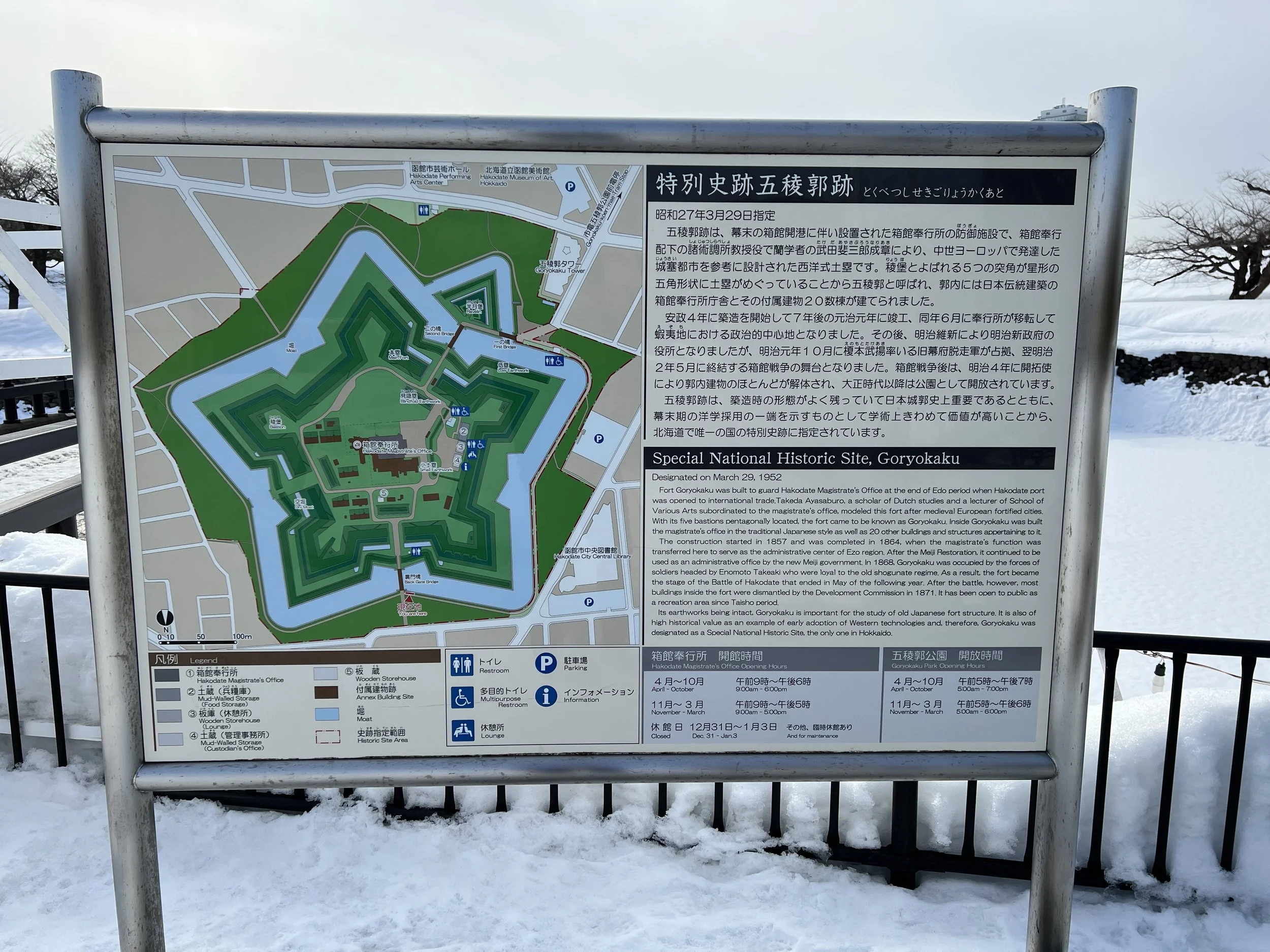
Unlike the traditional Japanese castles I’m used to visiting, Goryokaku Fort immediately stood out for its distinctive star-shaped design and Western-style layout. Built during the late Edo period, this fort was constructed to defend Hakodate against the growing threat posed by Western imperial powers. Only a few years after its completion, Goryokaku became the stage for a pivotal chapter in Japanese history — a civil war between the remaining forces of the Tokugawa shogunate and the newly established Meiji government.
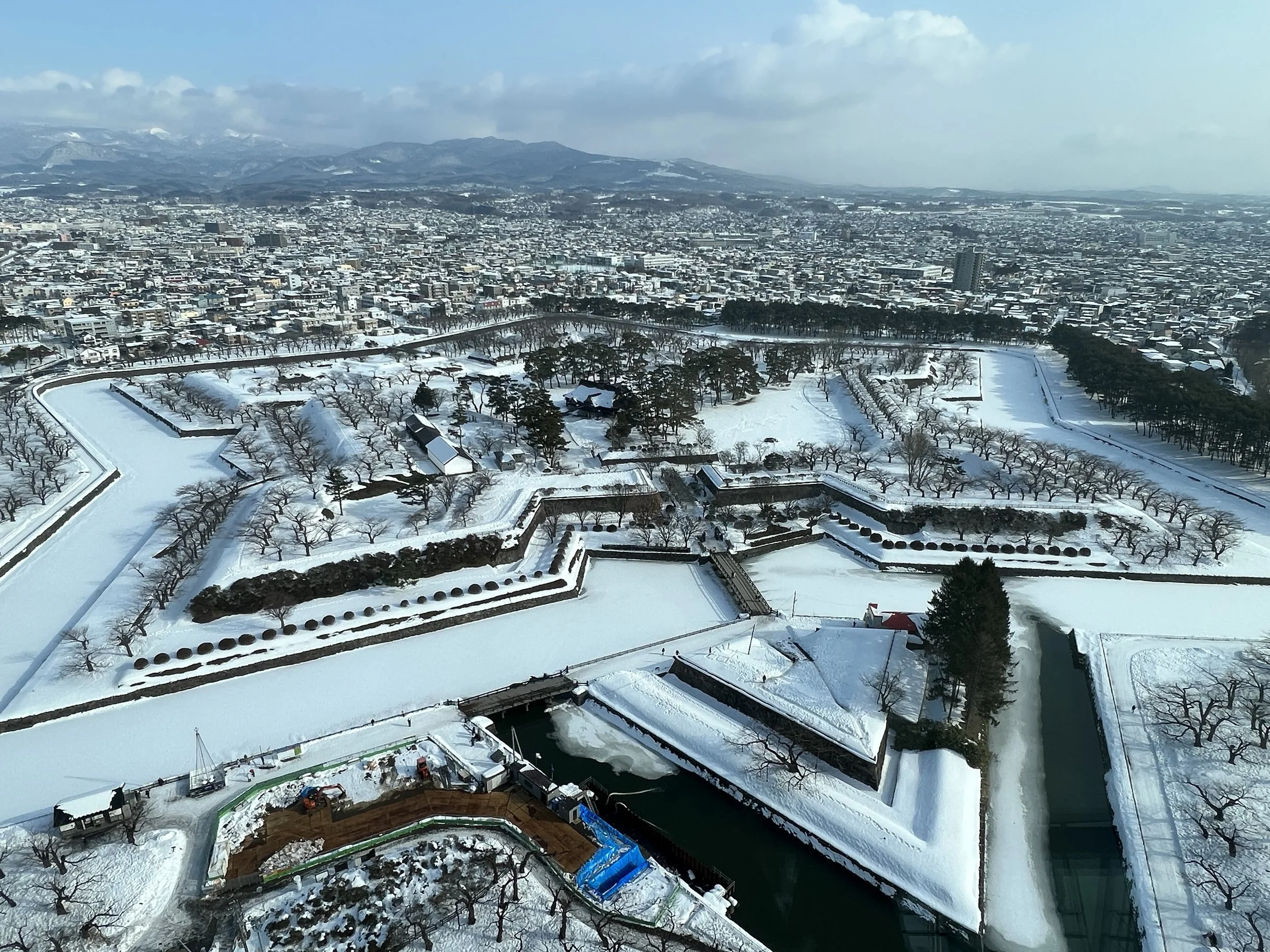
Initially, I thought of Goryokaku simply as an interesting and visually striking site. It wasn’t until I did a bit more research before and during my visit that I truly appreciated its historical and architectural significance. The star-shaped design, inspired by European fortifications, was revolutionary in Japan at the time. Its angled bastions were carefully planned to maximise defensive firepower while eliminating blind spots, allowing cannons to cover every possible approach. This layout made Goryokaku a virtually impregnable fortress by the standards of its era.
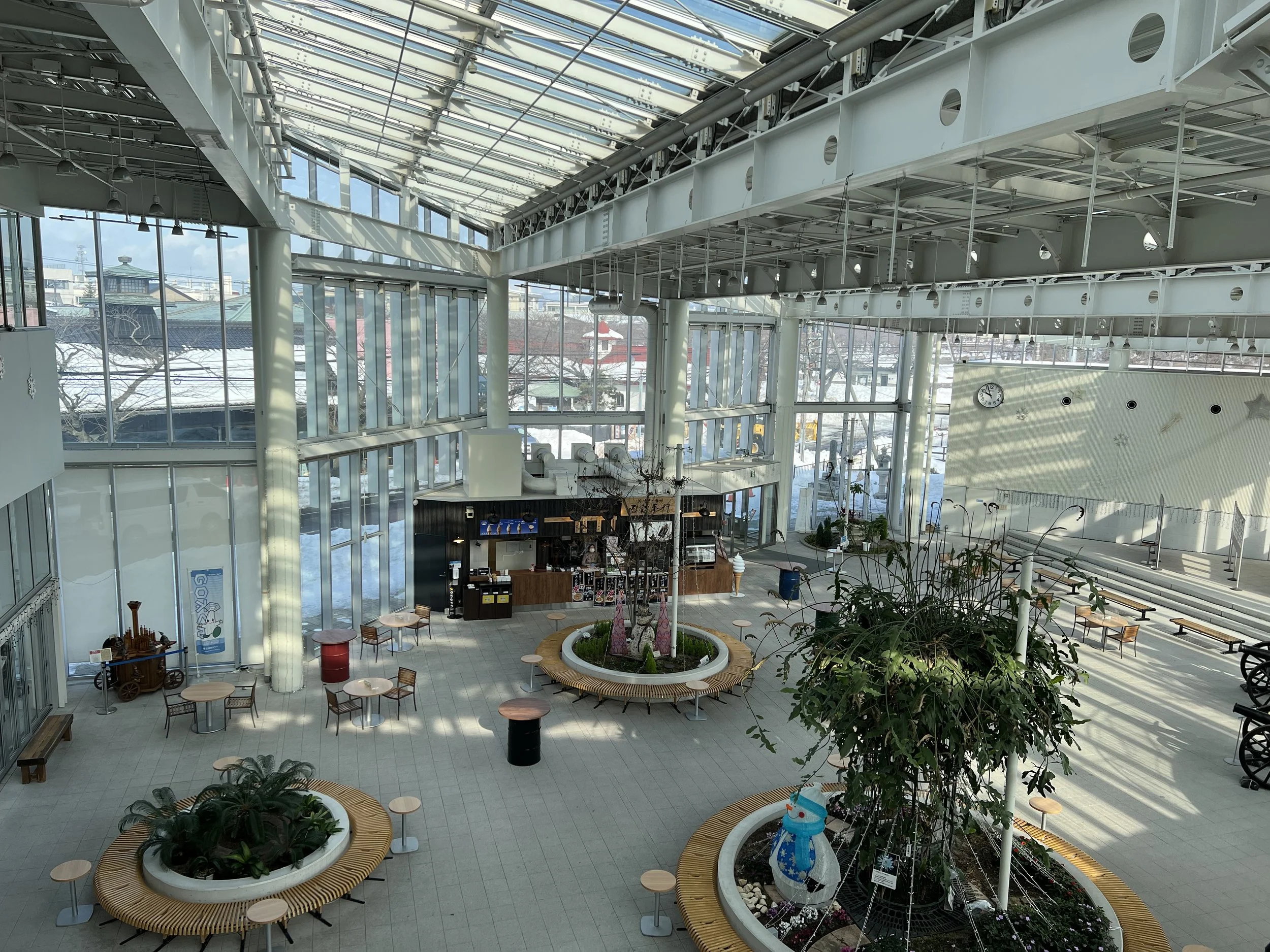
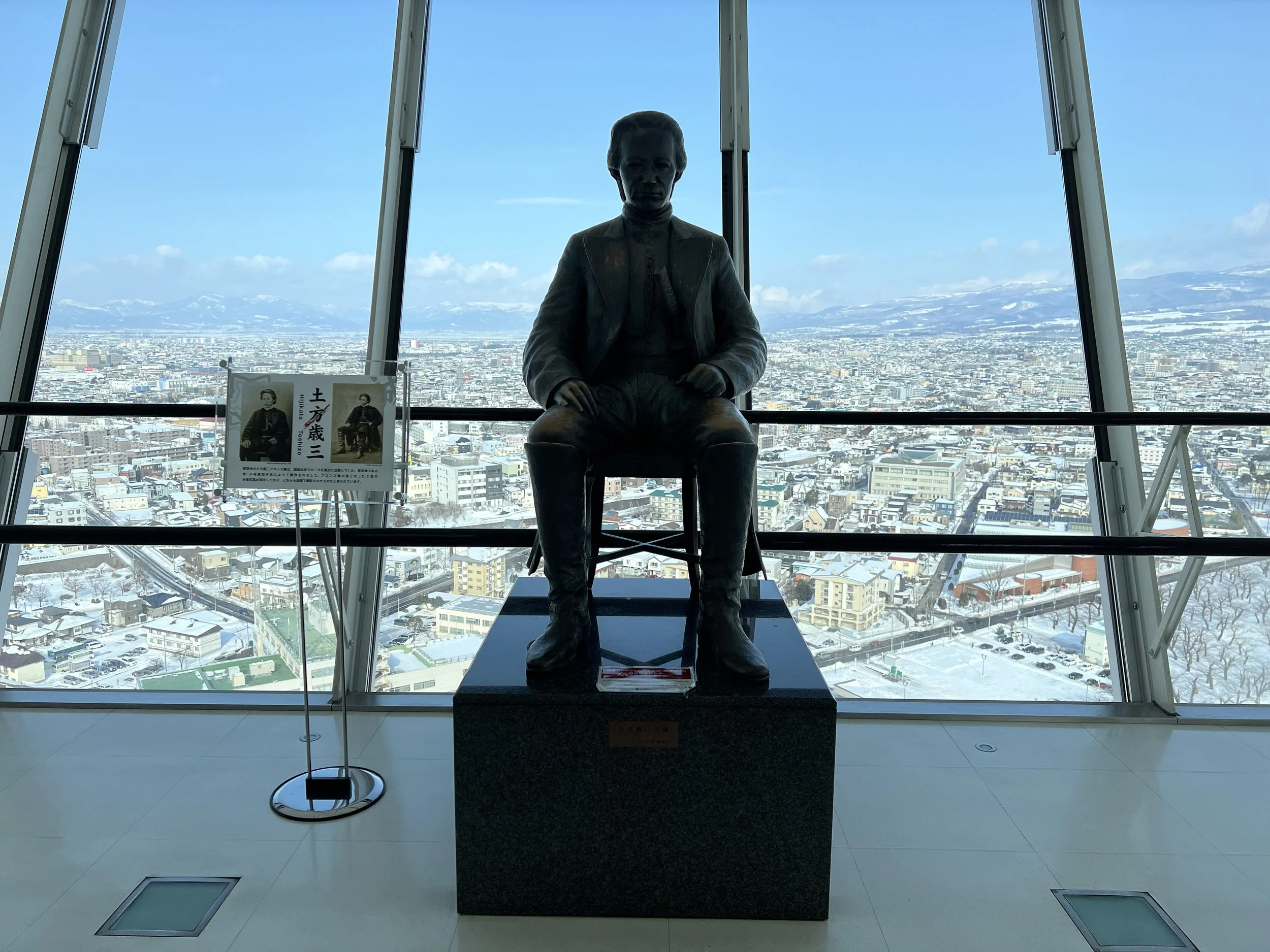
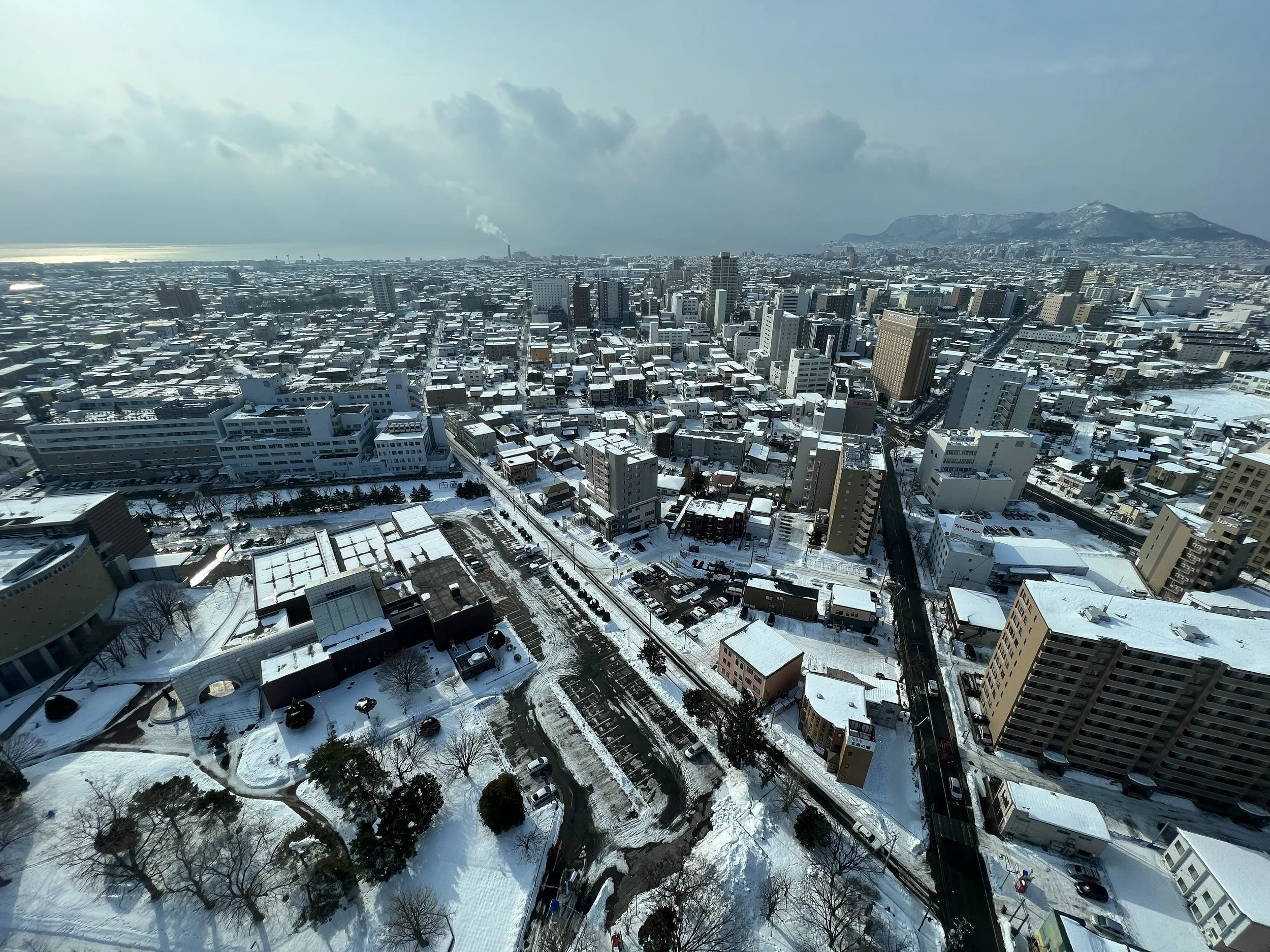
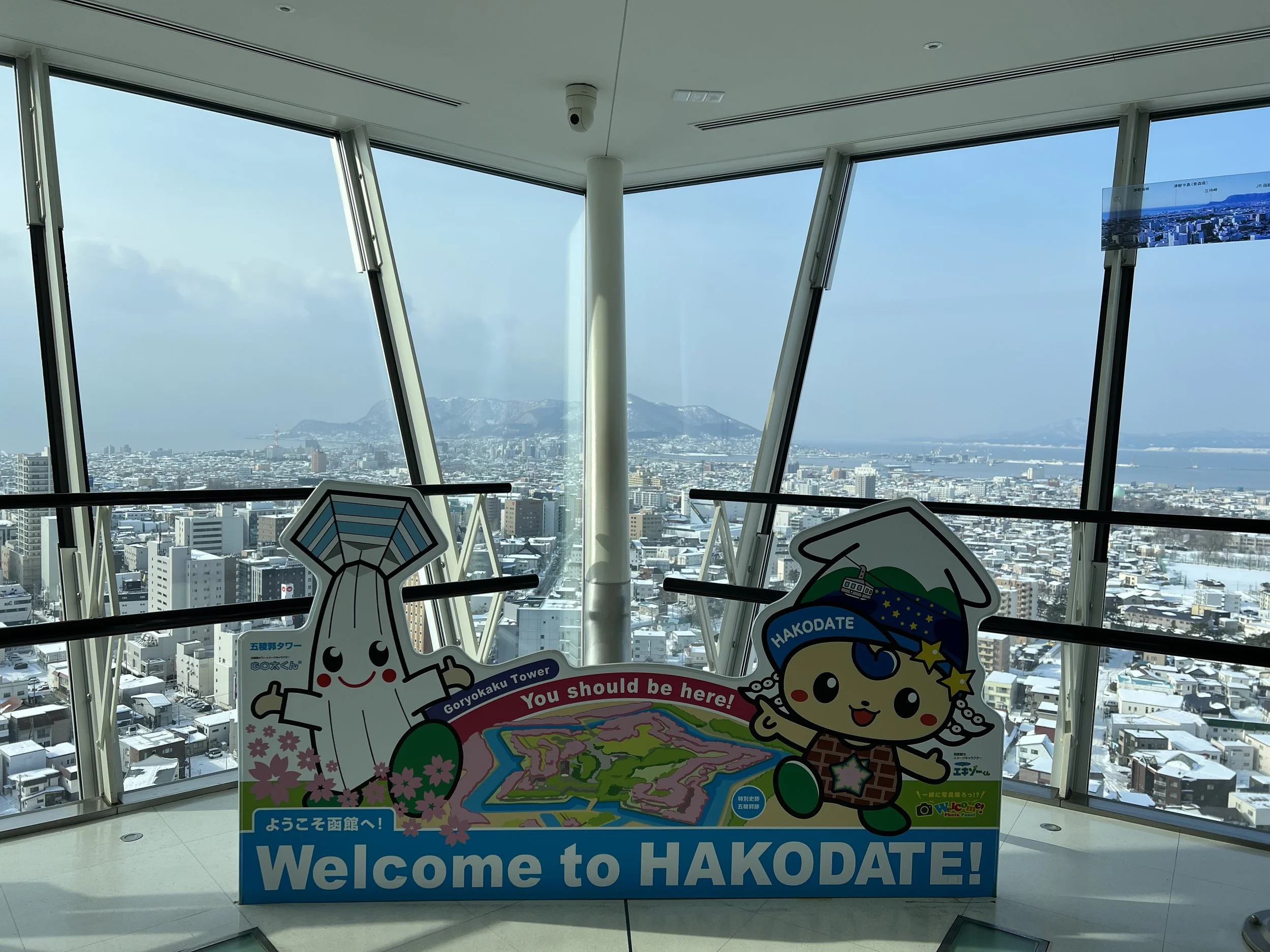
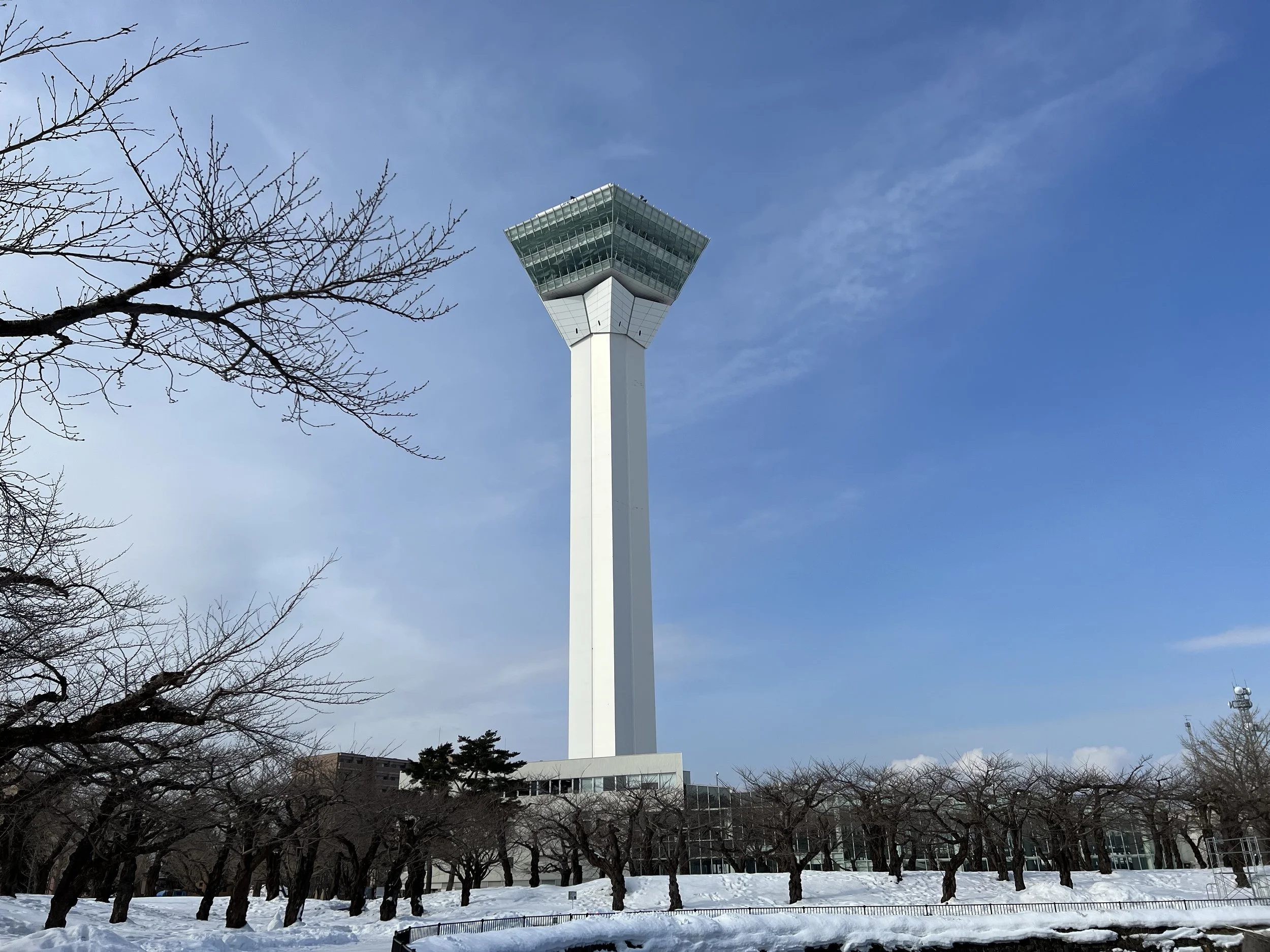
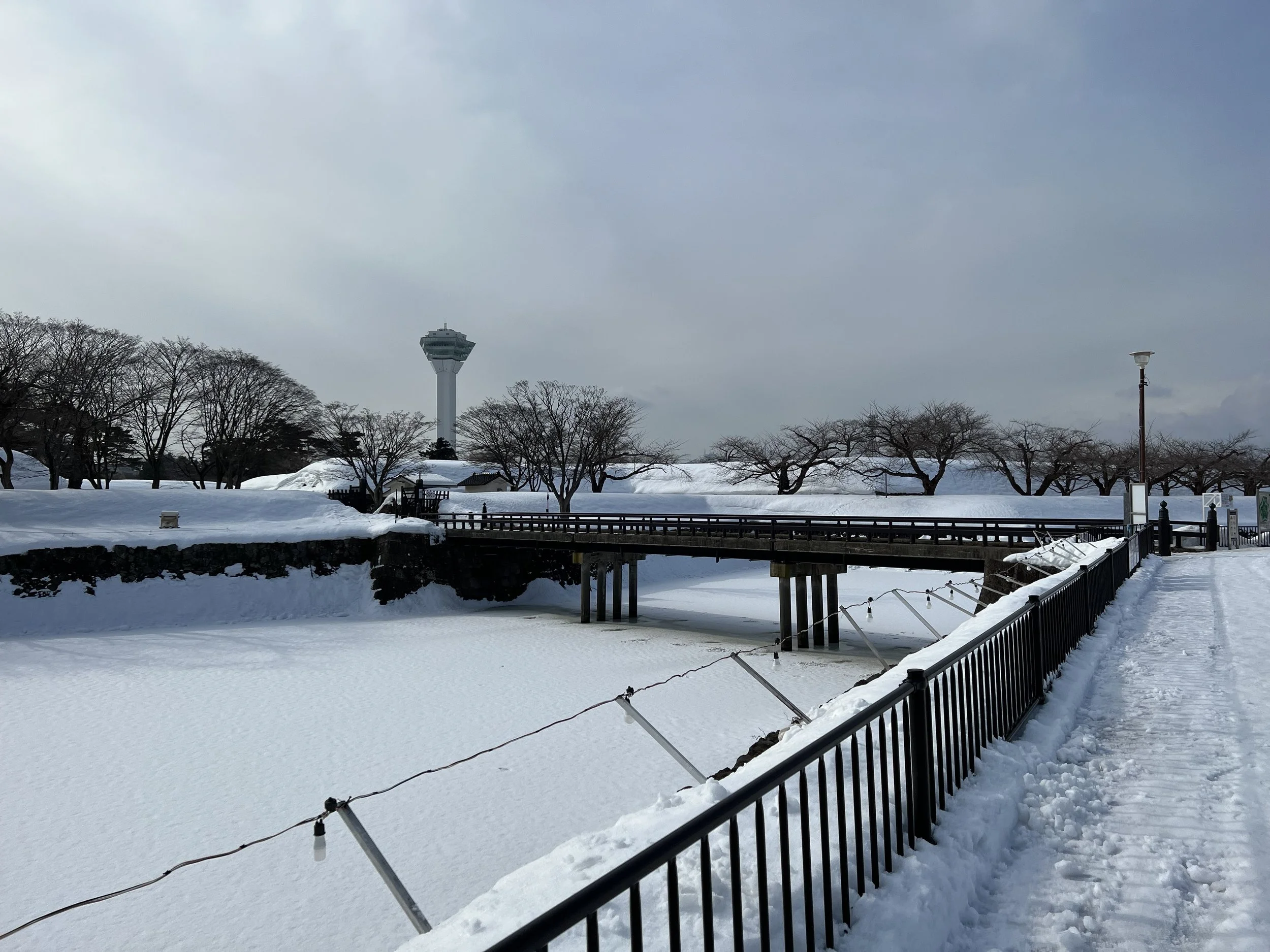
I started my visit at Goryokaku Tower, where the observation deck offers a perfect aerial view of the fort. Seeing the entire star shape from above really put its scale and ingenuity into perspective. The fort is also encircled by a wide moat, further enhancing its defensive strength. Looking down from the tower, it was easy to imagine just how formidable this structure would have been for anyone attempting to breach it.
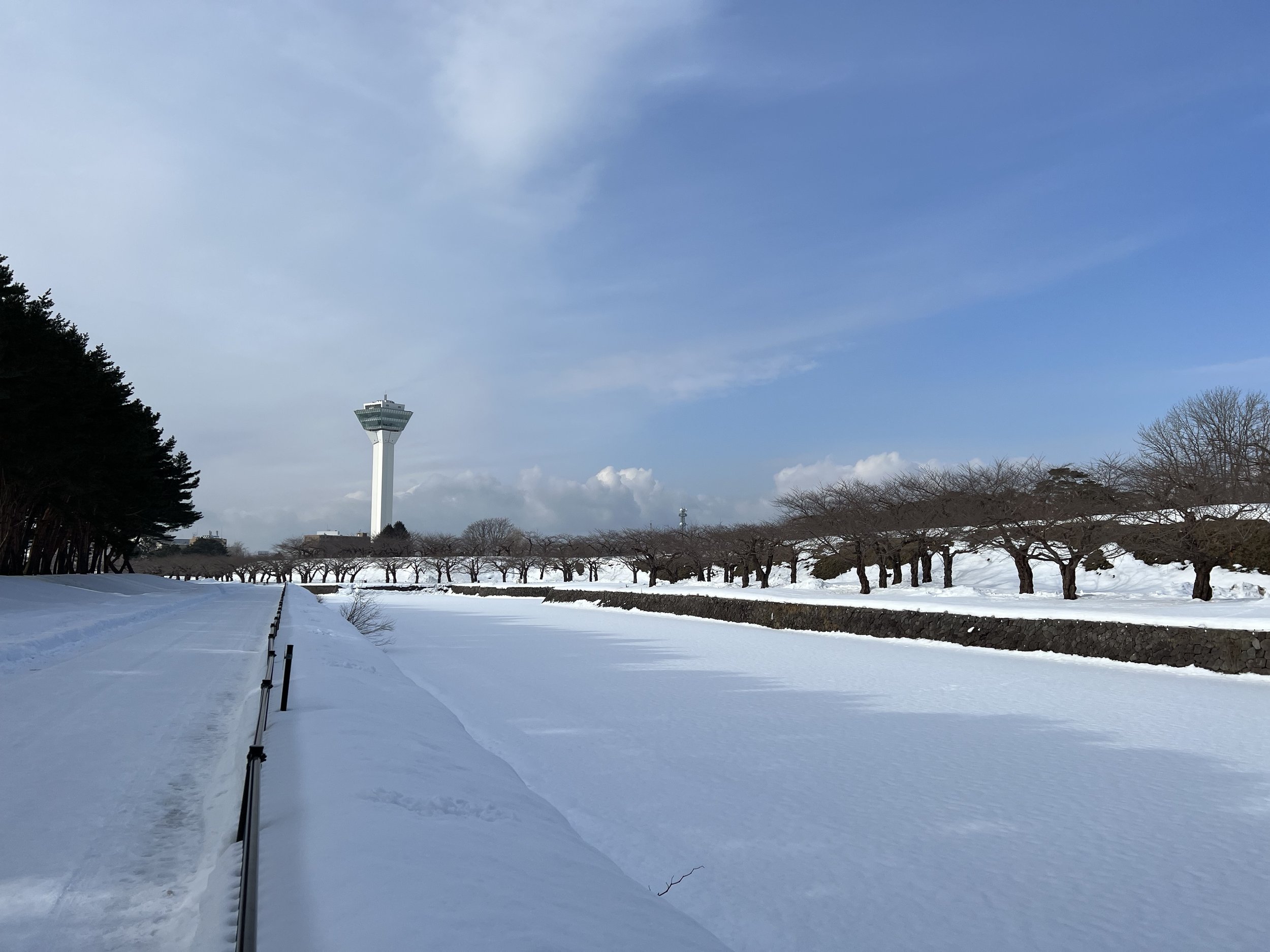
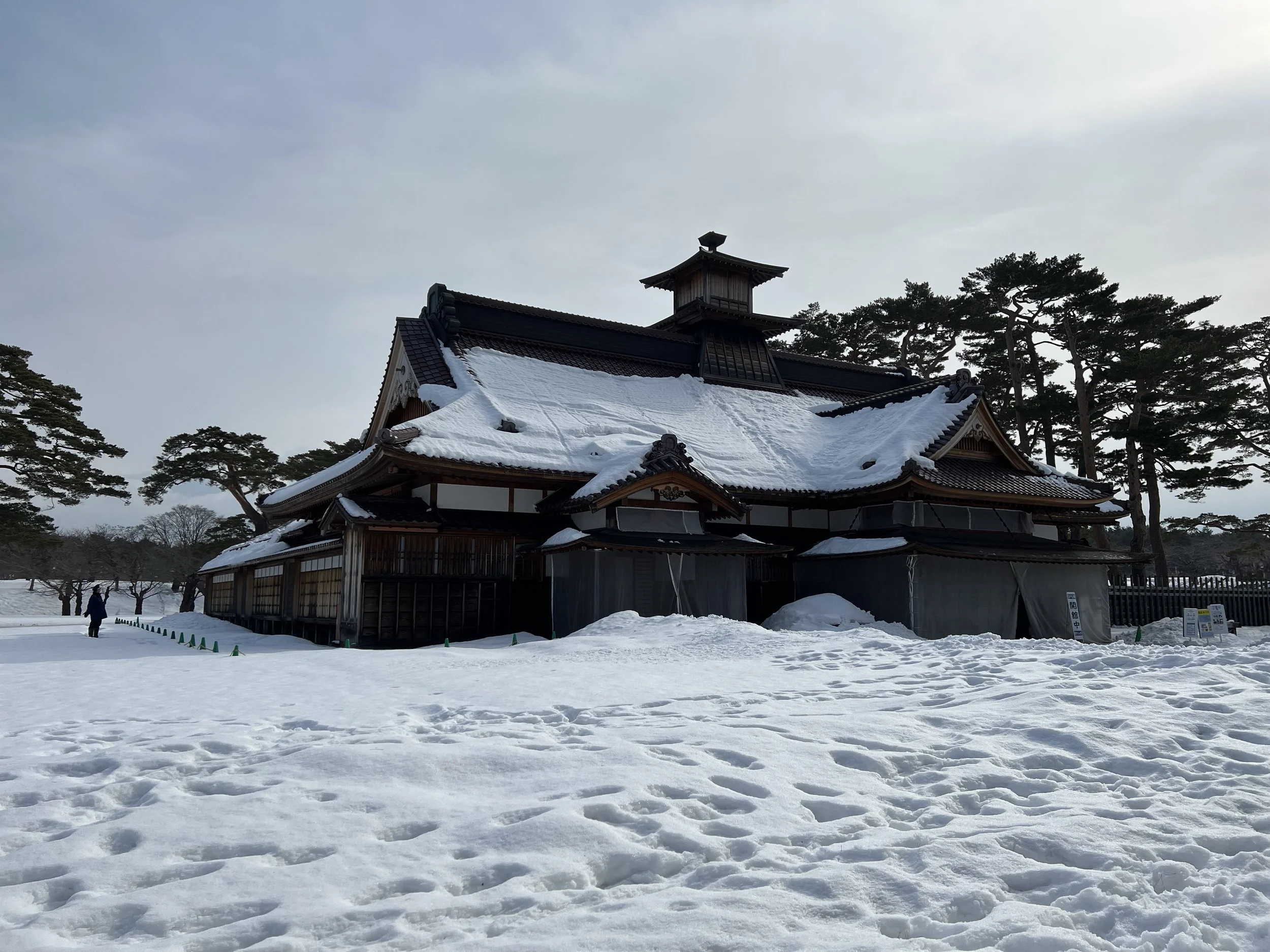
After taking in the view from above, I made my way down to explore the grounds on foot. The fort itself is free to enter, while the Hakodate Magistrate’s Office — once the administrative centre of the shogunate in Hokkaido — requires an admission fee. The surrounding park is especially popular in spring, when over a thousand cherry trees bloom around the moat, transforming the fort into one of Hakodate’s most famous hanami spots. Outside of cherry blossom season, the path encircling the moat has been repurposed into a popular running and walking route for locals.
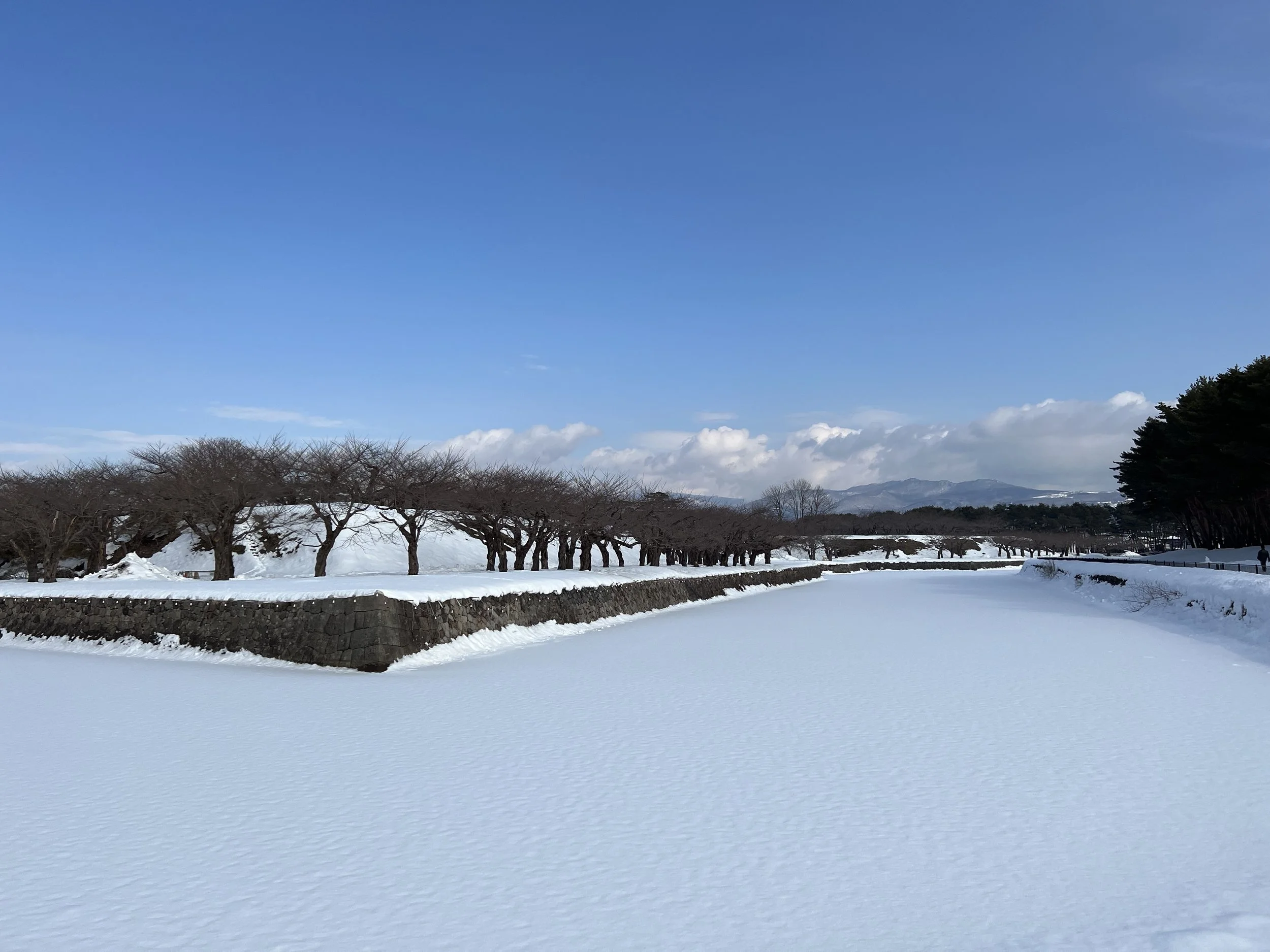
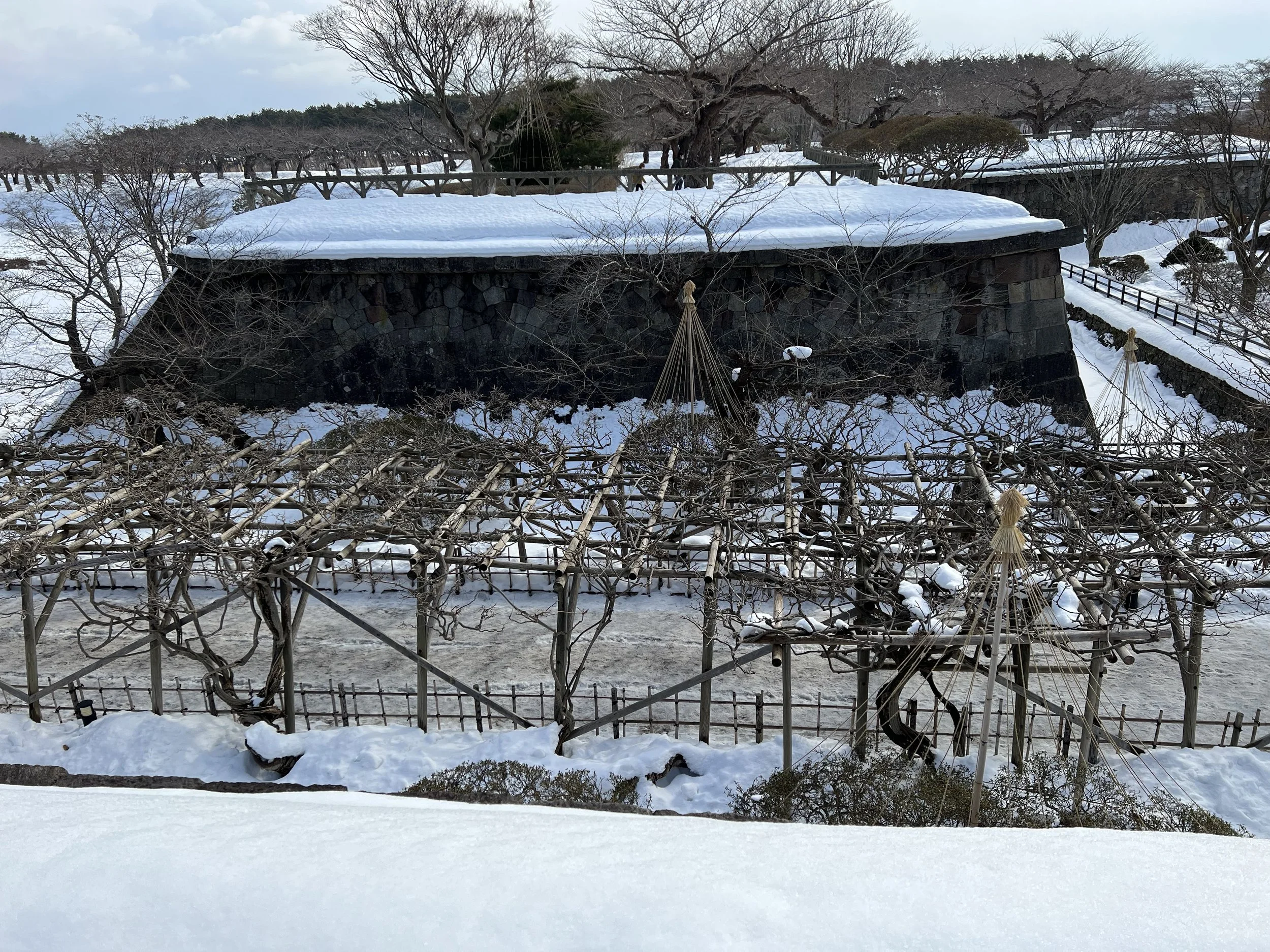
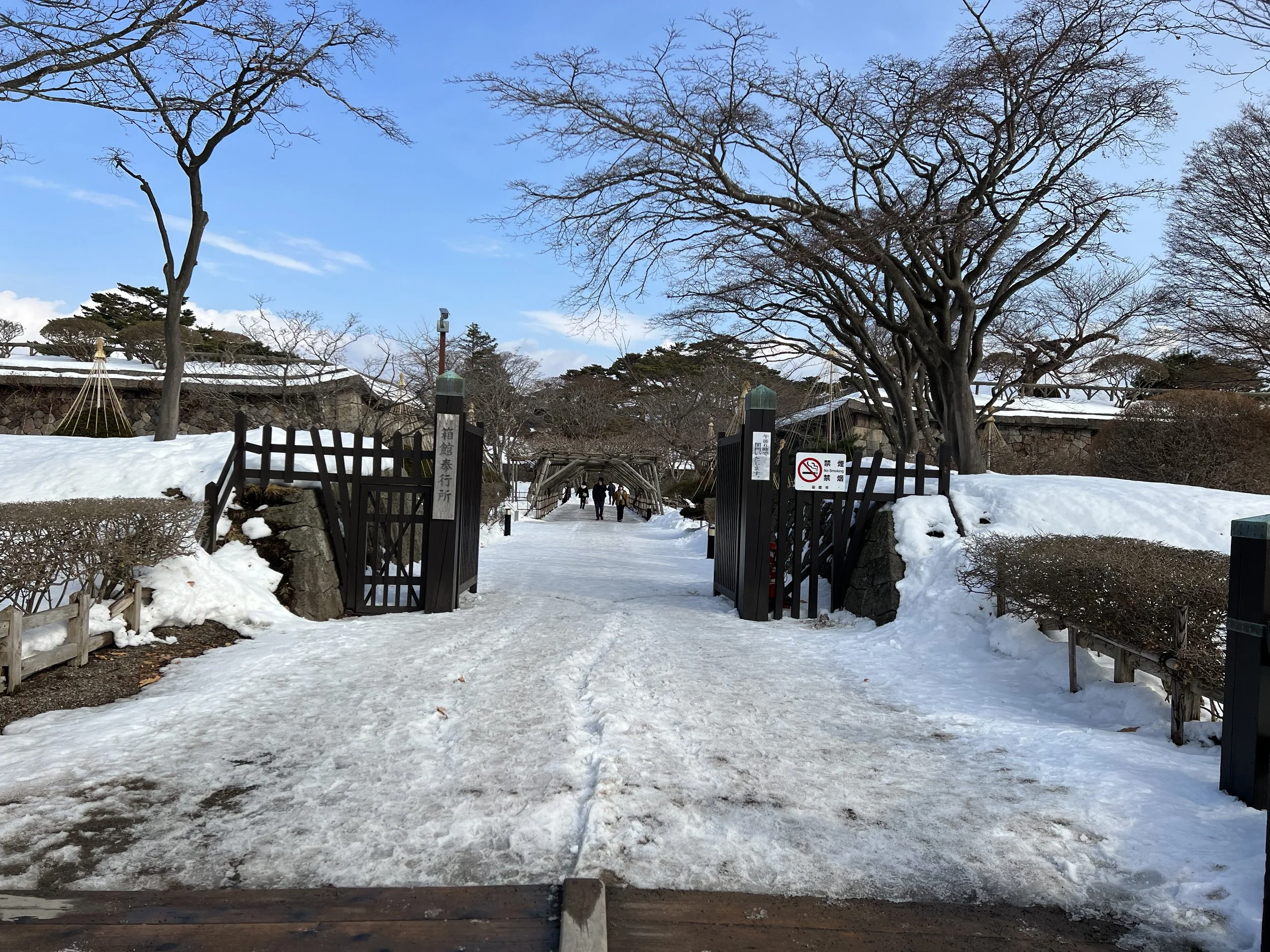
I walked the full loop around the fort, taking my time despite much of the ground being covered in snow. Even in winter, the combination of stone walls, frozen water, and the stark geometry of the fort was striking. Goryokaku feels unlike anywhere else in Japan — a fascinating blend of Japanese history and Western military influence, set against the unique landscape of Hokkaido.
History & Background
Goryokaku Fort (五稜郭) immediately stood out with its unique star-shaped design and Western-style layout. Built between 1857 and 1864, it reflected Japan’s growing awareness of Western military technology as the country ended centuries of isolation. The fort’s angled star shape, called a bastioned design, eliminated blind spots and allowed cannons to defend every approach, making it one of the most advanced fortresses in Japan at the time.
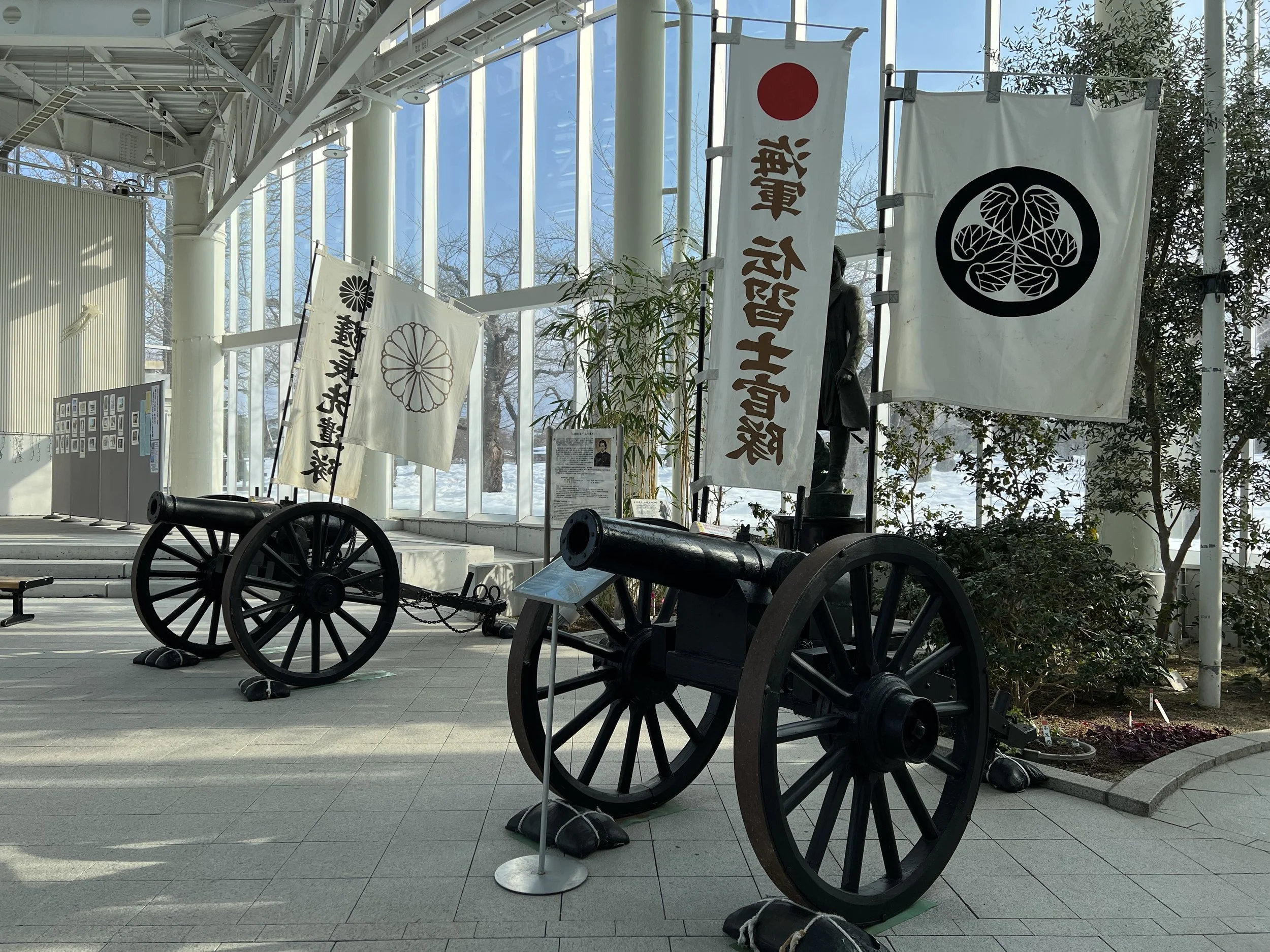
Goryokaku quickly became more than just a symbol of modernization—it also played a role in history. It was the last stronghold of shogunate forces during the Boshin War (1868–1869) in the Battle of Hakodate, before their defeat by the Meiji government. Afterward, the fort lost its military purpose and was transformed into a public park, preserving its innovative design and historical significance for future generations.
Getting There
Goryokaku is located in Hakodate and is easily accessible by public transportation. From Hakodate Station, visitors can take the Hakodate City Tram bound for Goryokaku-koen-mae, a convenient and scenic ride that takes about 15 minutes. The view along the way is especially charming in winter, with snow-covered streets and historic buildings.
Alternatively, several city buses also run from Hakodate Station toward the Goryokaku area, making it a good option for those staying farther from tram lines. Once you arrive at Goryokaku-koen-mae, it’s only a short walk to both Goryokaku Tower, where you can enjoy panoramic views, and the star-shaped fort grounds themselves.
Route Overview
Distance: 2.75 km out & back (Goryokaku Koen Mae)
Total elevation gain: 9 m
Duration: 38 min (with breaks 44 min)
Difficulty: Easy
Cost Breakdown
Tram: Hakodate Station → Goryokaku Koen Mae — ¥250
Entrance Fee: Goryokaku Tower — ¥900
Food: ¥400