Daintree Rainforest and Cape Tribulation - Queensland, Australia
The Daintree Rainforest and Cape Tribulation came highly recommended by a friend, and once I realized I could fit it into my few days in Cairns, it was an easy decision to add it to my itinerary. This is a region where having a 4x4 vehicle really matters, and without one, your access to certain areas can be limited. Rather than navigating unfamiliar terrain on my own, I decided it would be far easier—and safer—to join a guided tour.
I booked a full-day tour that covered both the Daintree Rainforest and Cape Tribulation, including lunch and a dessert stop. On the morning of the tour, I was picked up directly from my accommodation in a rugged-looking 4x4 that felt perfectly suited for the day ahead. There were about eight of us on the tour, and our driver doubled as our guide, sharing insights as we made our way toward our first stop: the Daintree River Cruise.
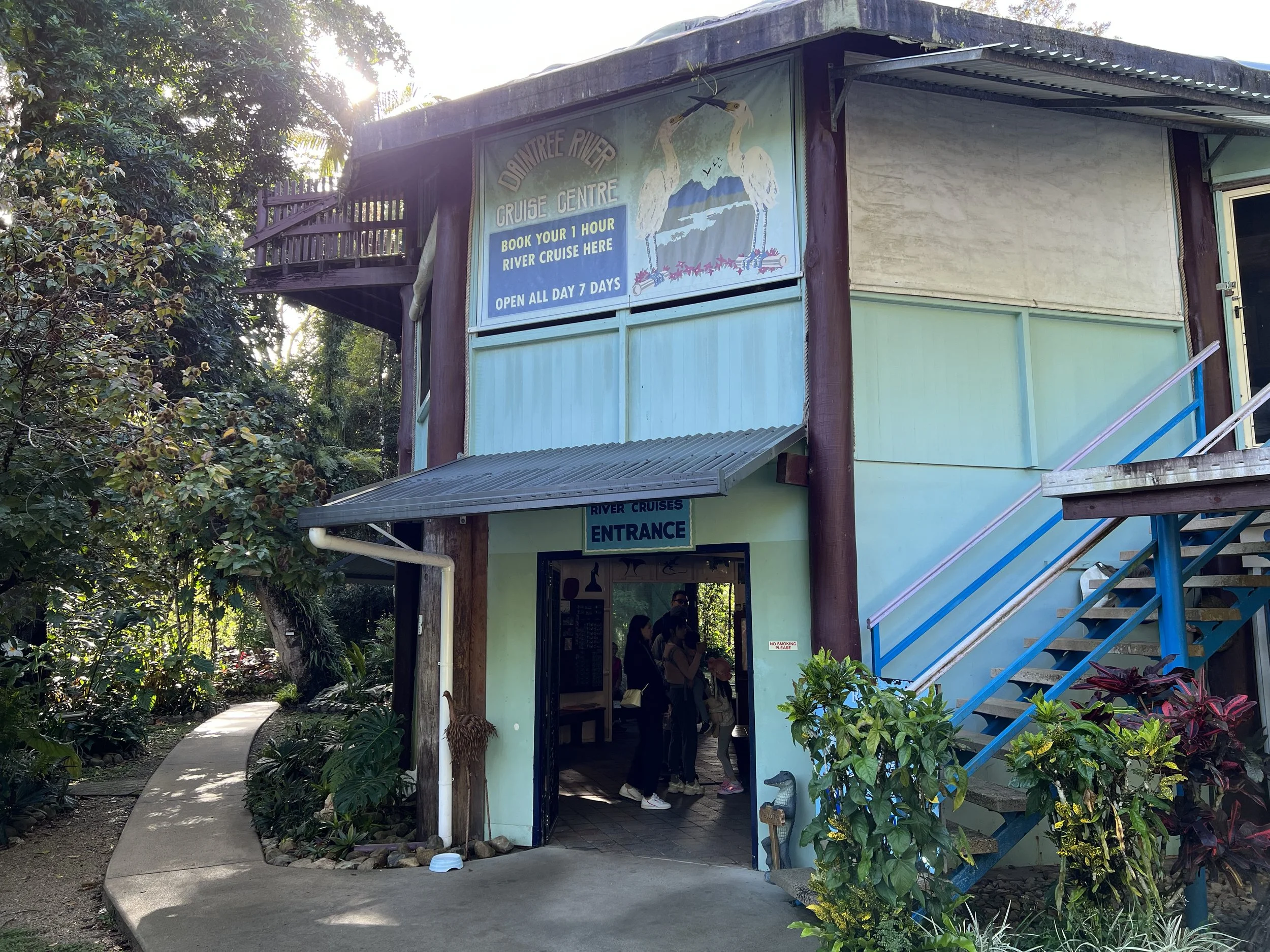
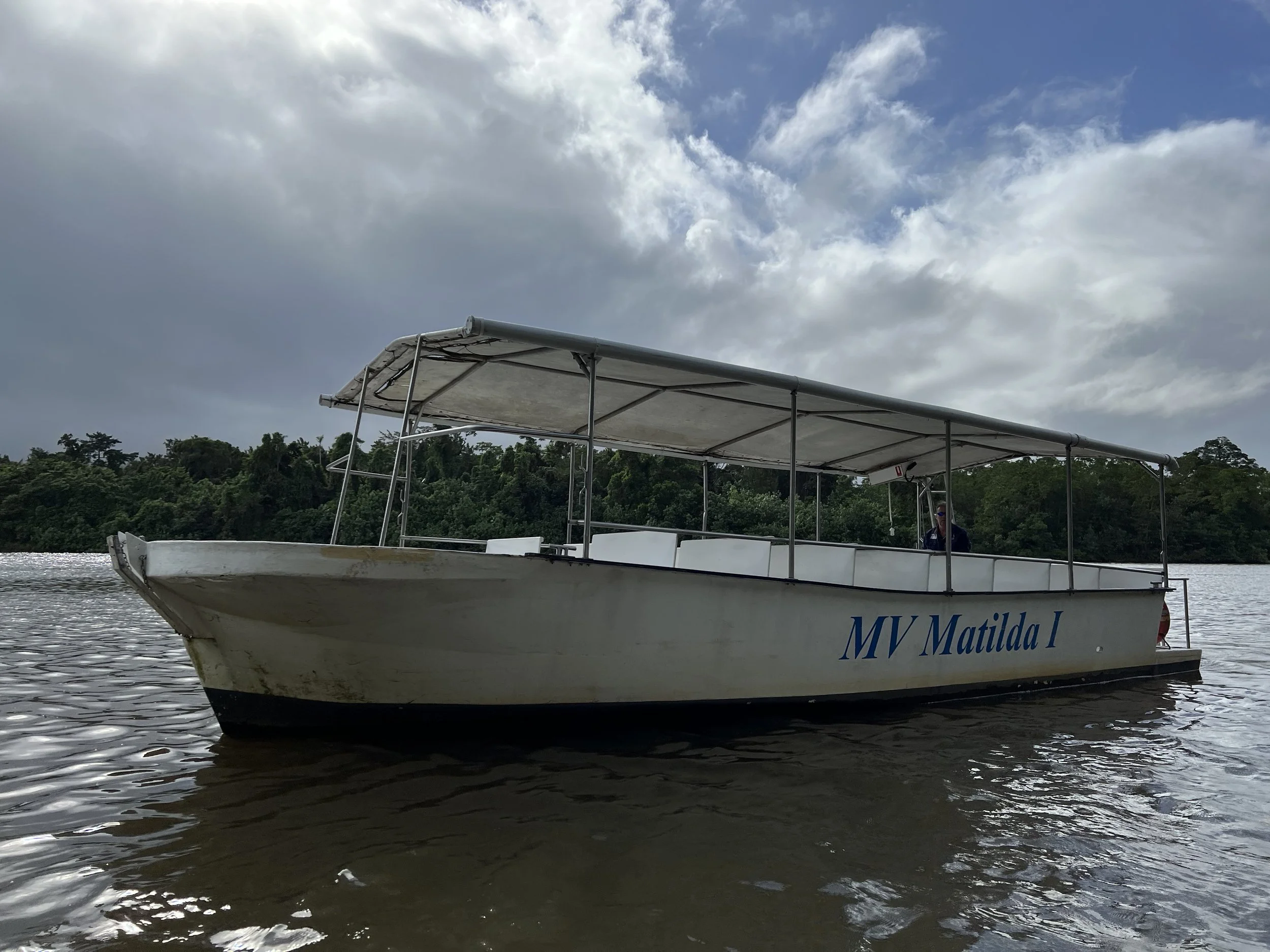
When we arrived at the river, the air was thick and humid. We had about thirty minutes before boarding, which gave us time to use the facilities, read through a few simple informational displays, enjoy a cup of tea, and relax before heading down to the dock. I was lucky enough to get a seat right by the water once we boarded.
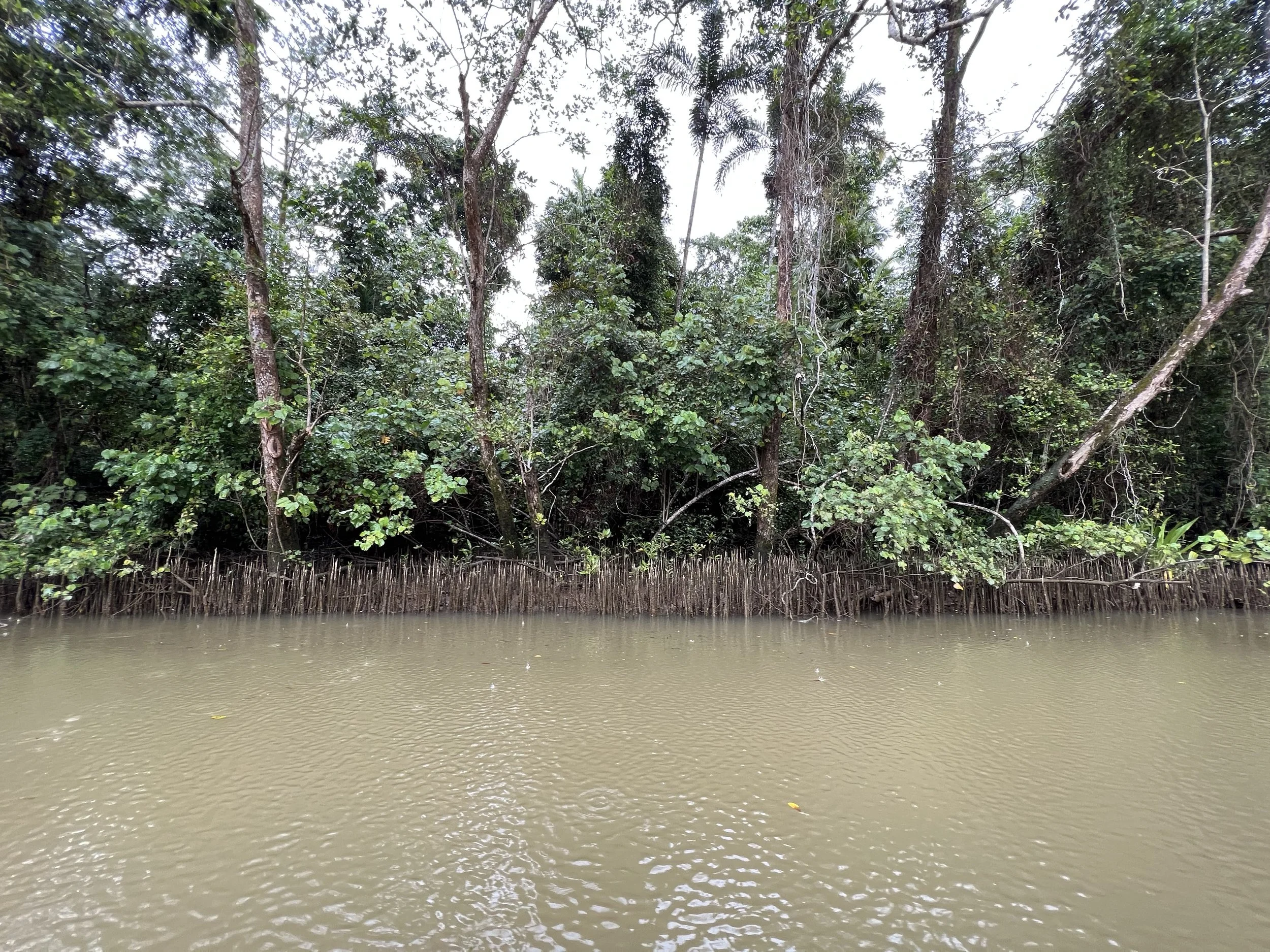
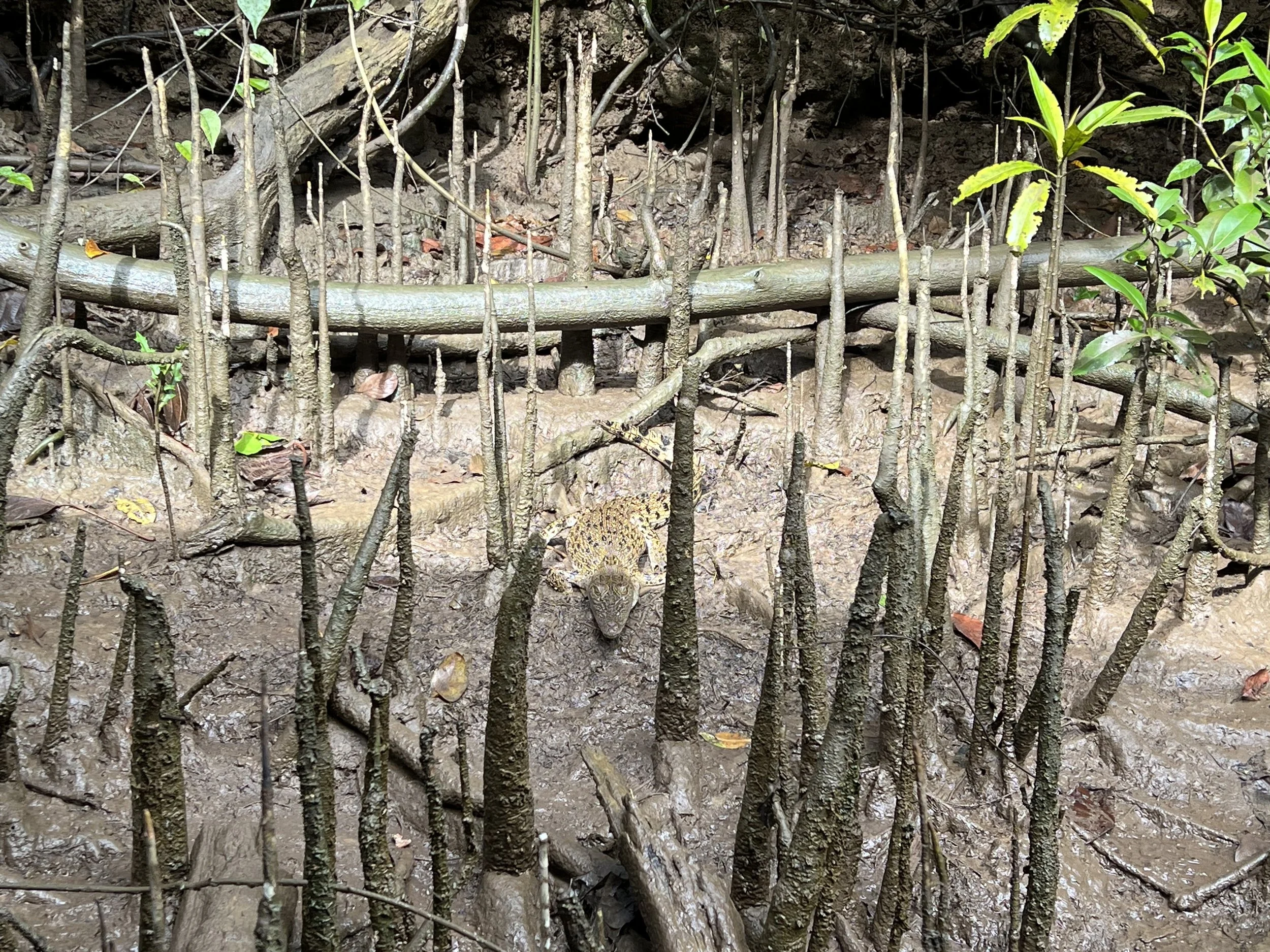
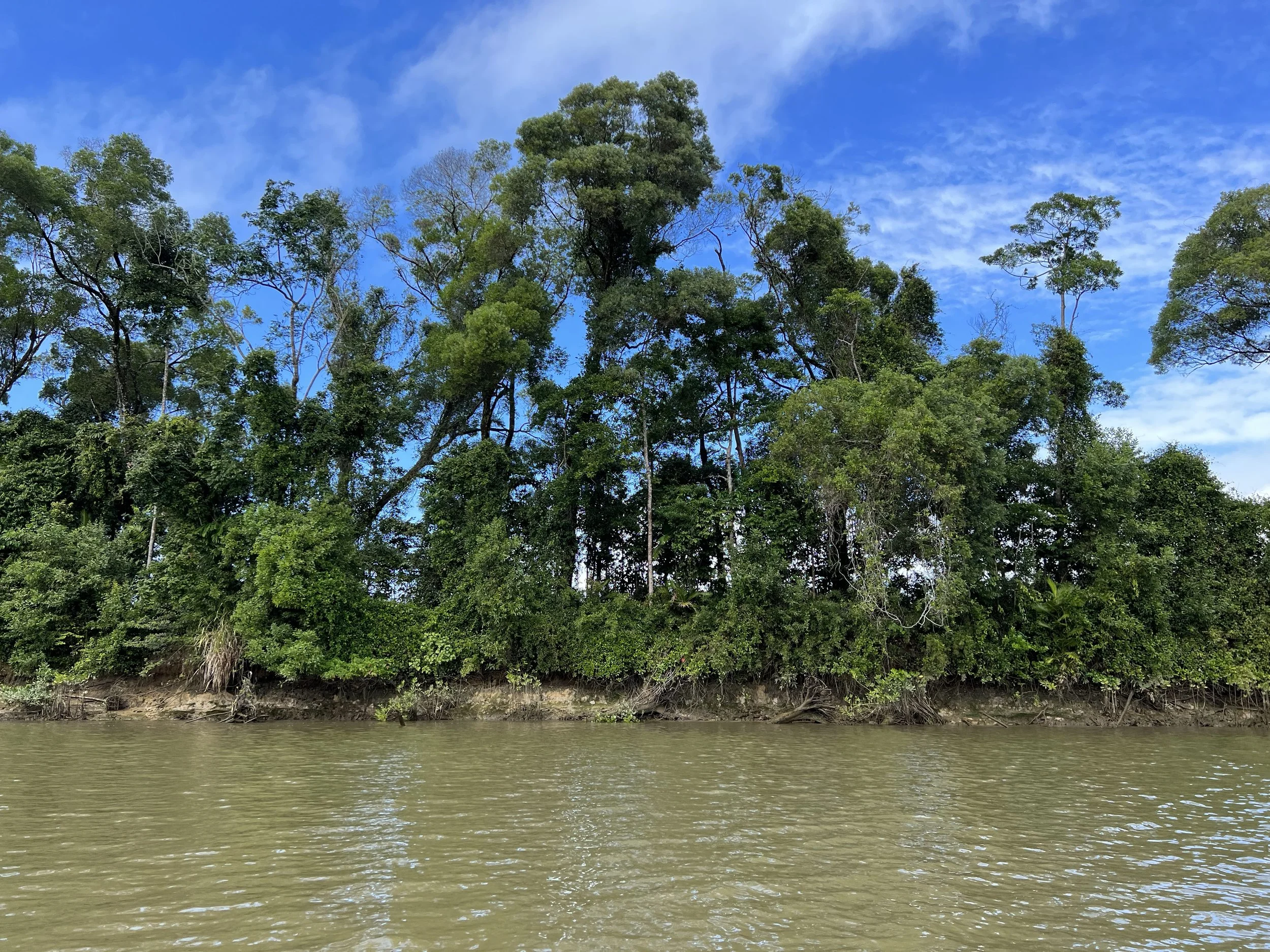
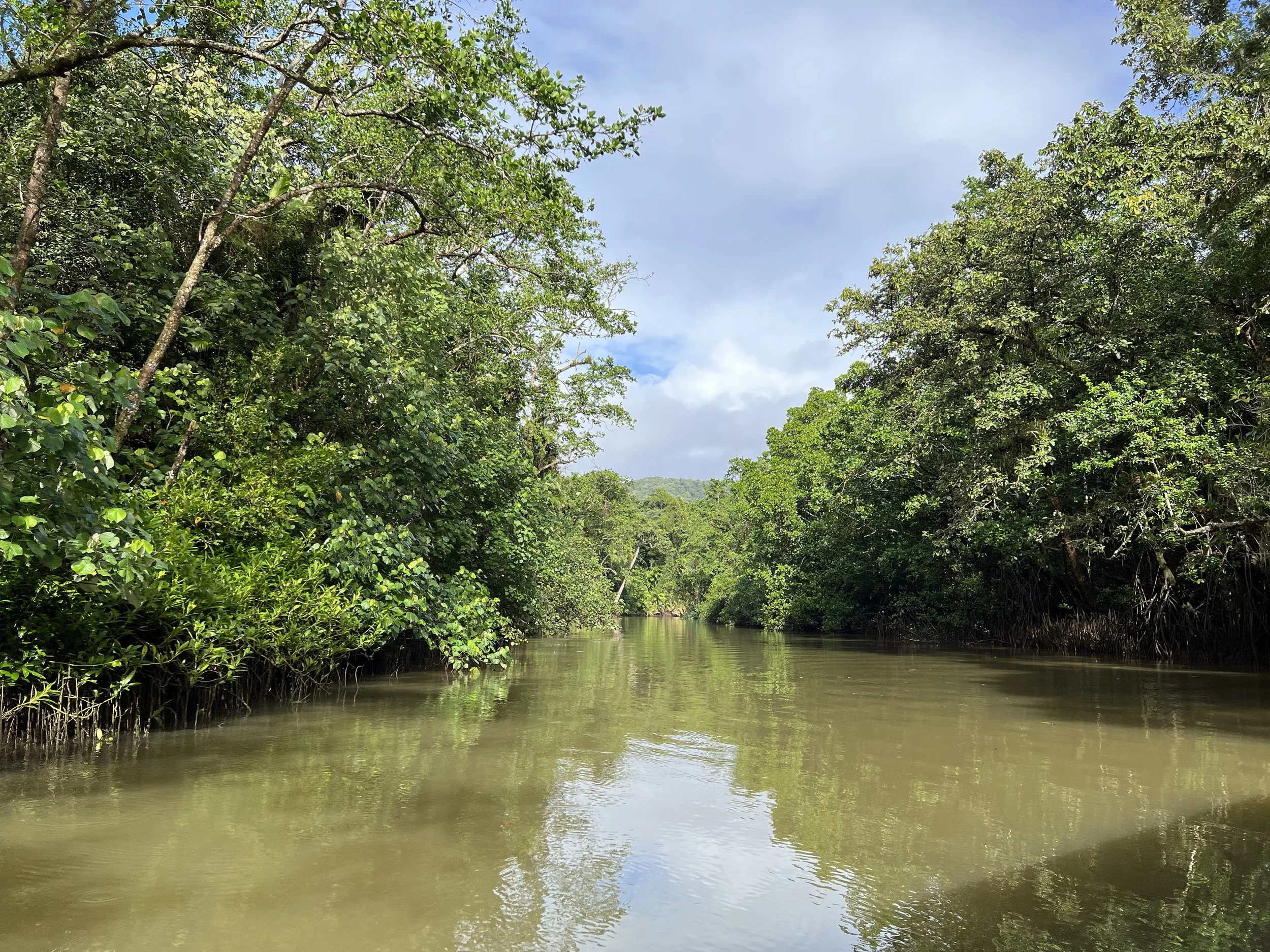
We were reminded to keep our eyes open for crocodiles and possibly pythons. Without the guide’s help, I would have been completely useless at spotting crocodiles—they’re incredibly well camouflaged. Somehow, the river cruise guide managed to steer the boat and spot them with ease. At first, we saw a few smaller crocodiles resting along the banks. Then, as we continued along the river, the guide pointed up into the trees and announced there was a python coiled above us. Half the boat spotted it immediately, while the rest of us strained our eyes unsuccessfully—I was firmly in the latter group and a little disappointed I couldn’t see it.
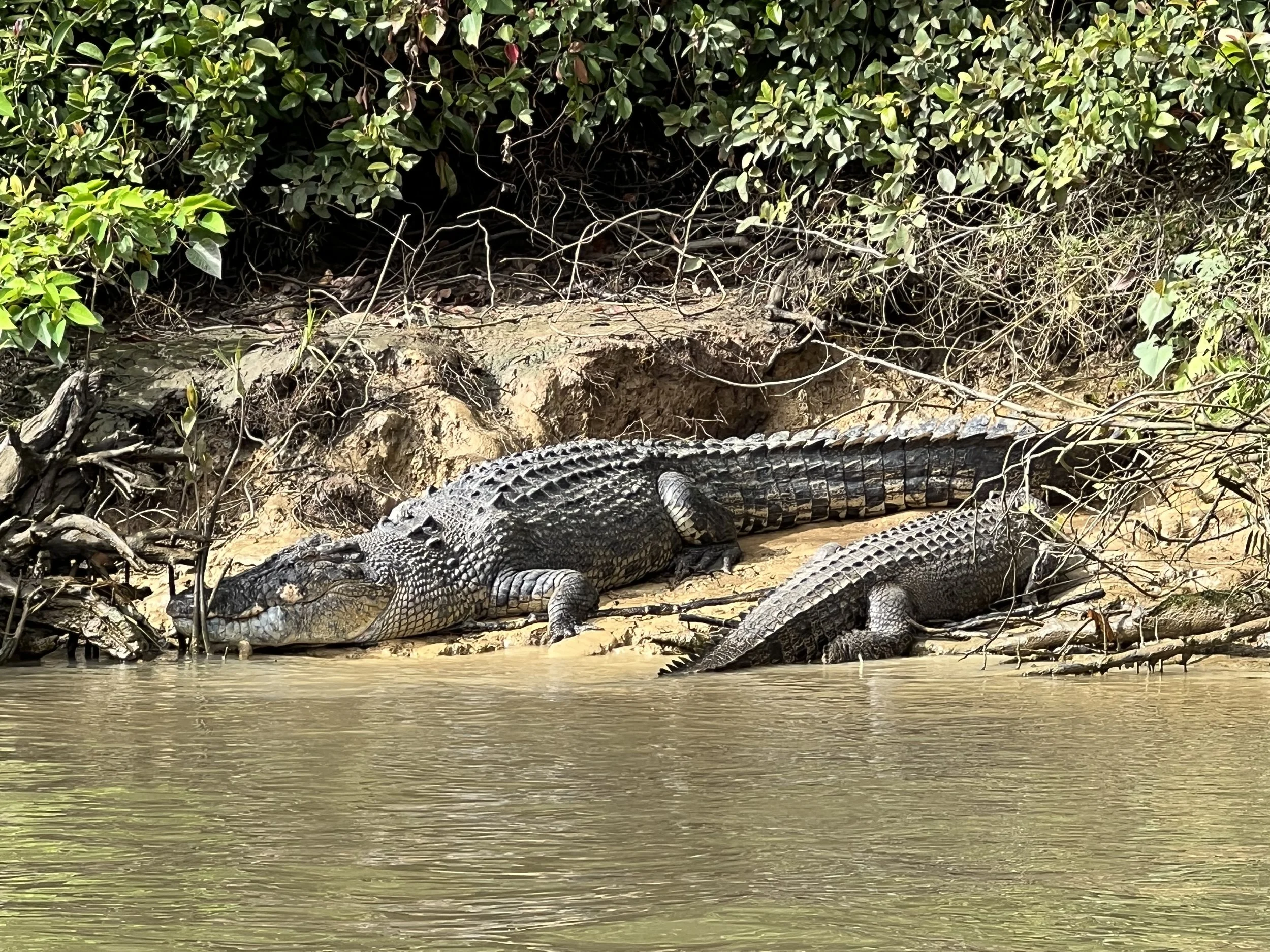
Further along the river, we encountered a massive crocodile sunbathing near the bank. The guide told us he was over three metres long and considered the dominant crocodile in this stretch of the river. Many of the smaller crocodiles we had seen were likely his offspring. He shared a recent story from just ten days earlier about the crocodile being spotted dragging a cow into the water. I took countless photos as he lay completely still, soaking up the sun. We were repeatedly reminded to keep our hands inside the boat—whatever lurks beneath the murky water isn’t something you want to find out about firsthand. After the cruise, we were dropped off on the opposite bank, where our driver was waiting to continue the journey.
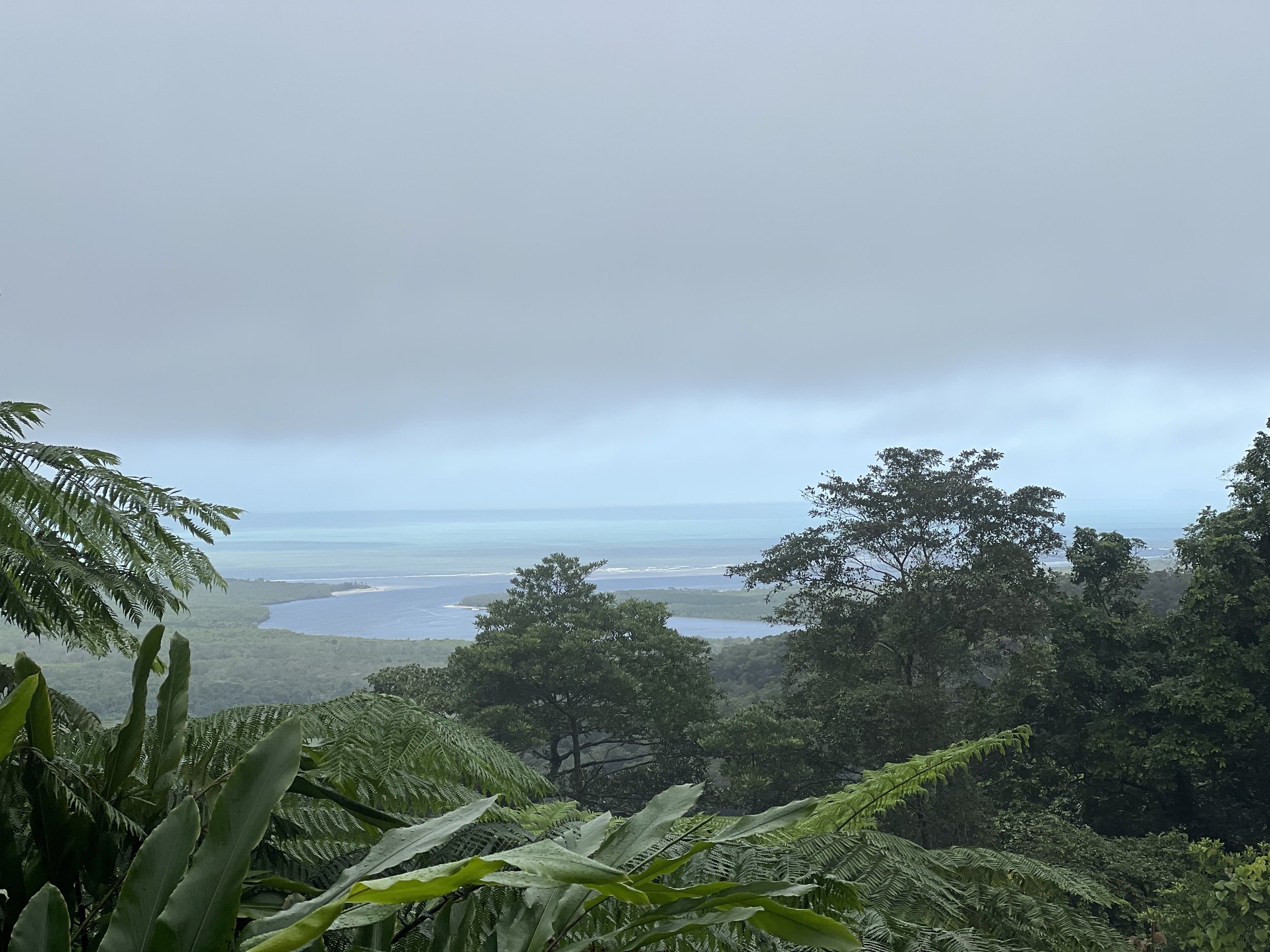
From there, we drove up to Alexandra Range Lookout. The sky was a bit hazy, so the view wasn’t perfectly clear, but we were still treated to sweeping panoramic views of dense rainforest rolling toward the coastline, where the deep green met the blue of the Coral Sea. It was a short photo stop before we continued to the Madja Boardwalk.
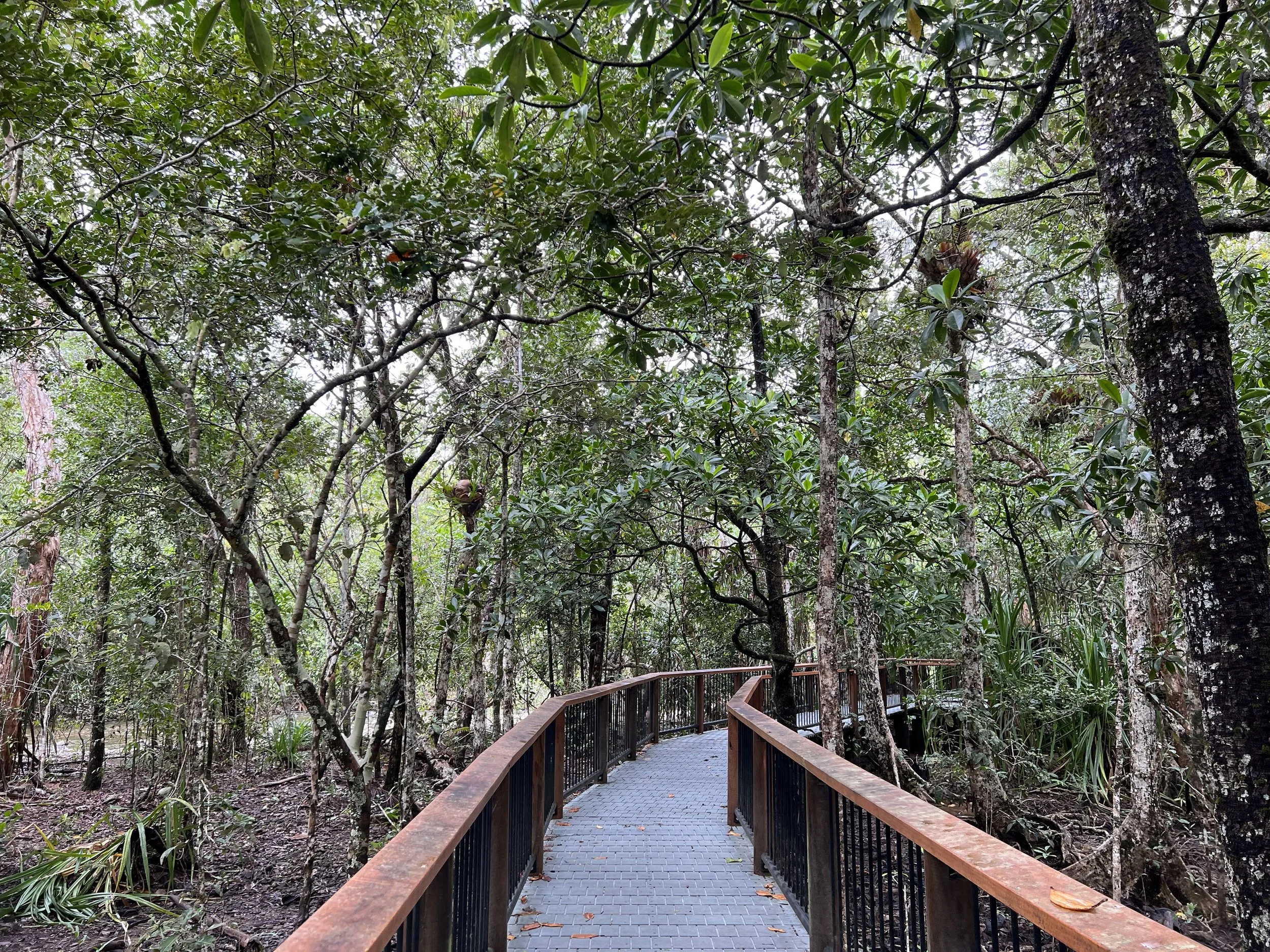
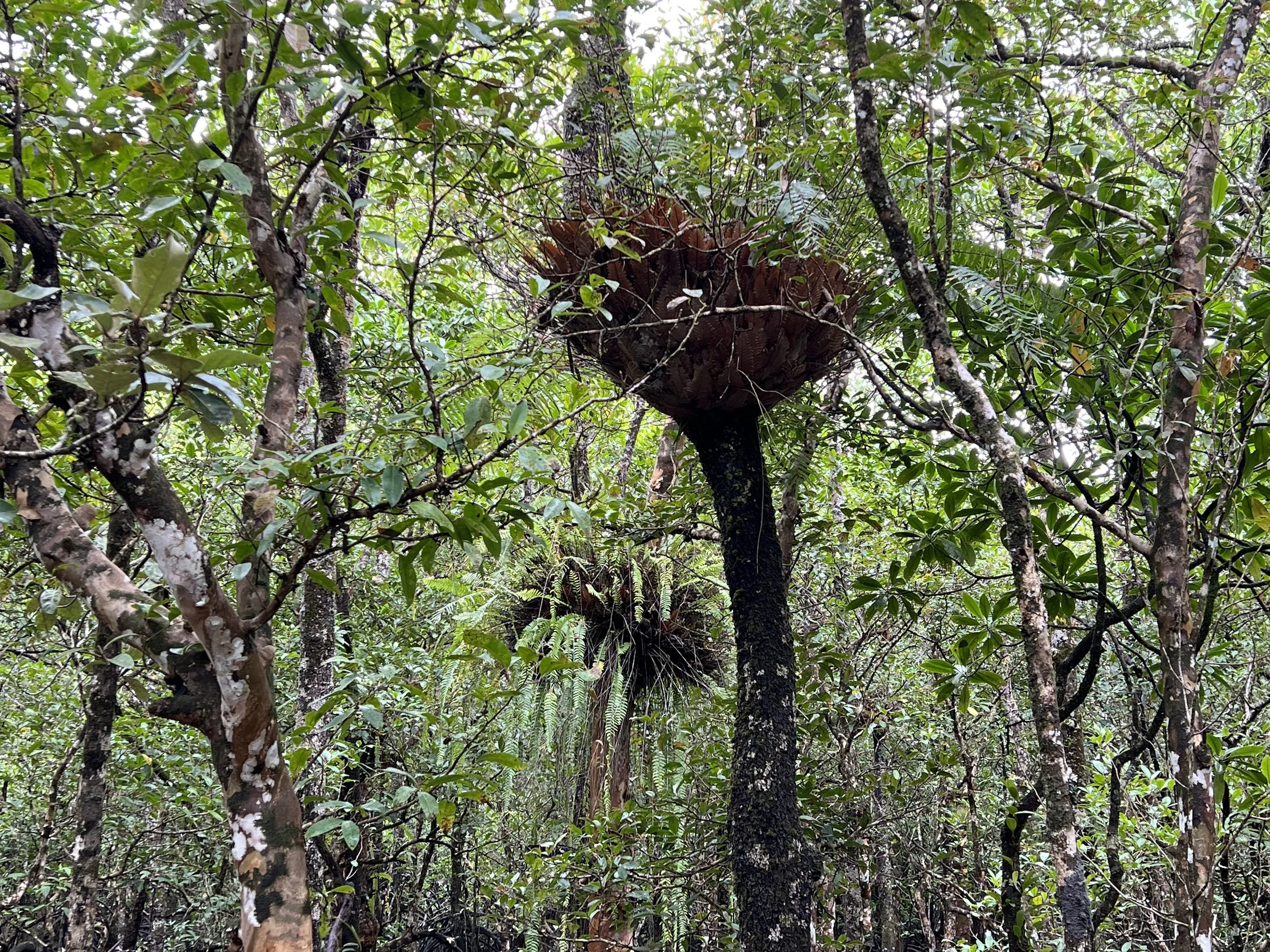
The Madja Boardwalk is a relatively flat 1.18-kilometre loop that takes you through mangroves and rainforest, offering a chance to see wildlife up close. As we walked beneath the canopy, our guide shared information about the mangrove ecosystem and the importance of the rainforest. We spotted a small crocodile along the way, and the guide mentioned that if you’re lucky, cassowaries are sometimes seen in this area.
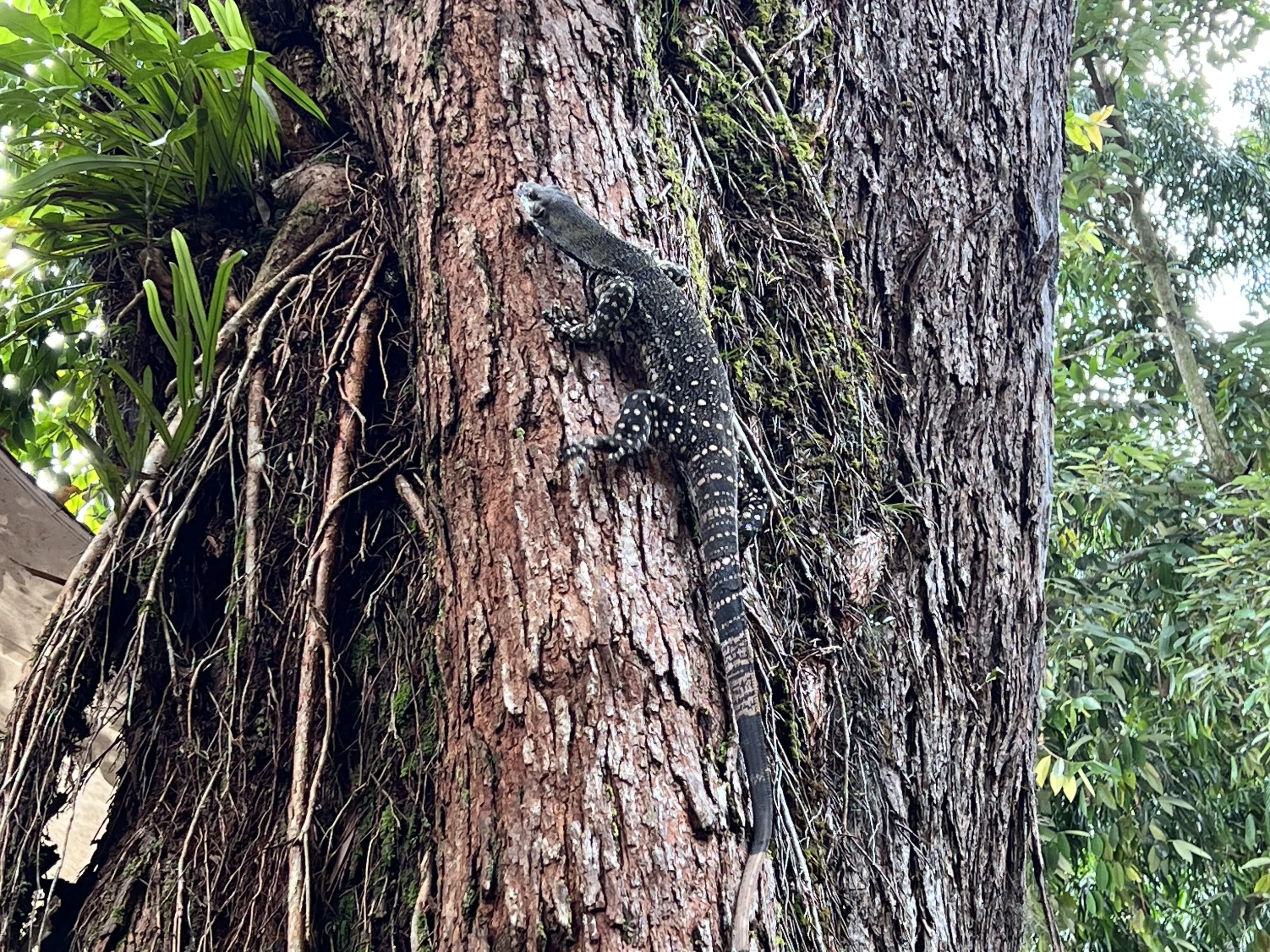
After the walk, we stopped at a local café for lunch. Since we had pre-selected our meals, the food arrived quickly, and it was a welcome chance to sit down, eat, and refill our water bottles. Midway through lunch, one of our group suddenly pointed to a nearby tree—there was a large lace monitor perched above us. While the guide assured us it was a common sight in the area, it was still slightly unsettling to have one so close while eating.
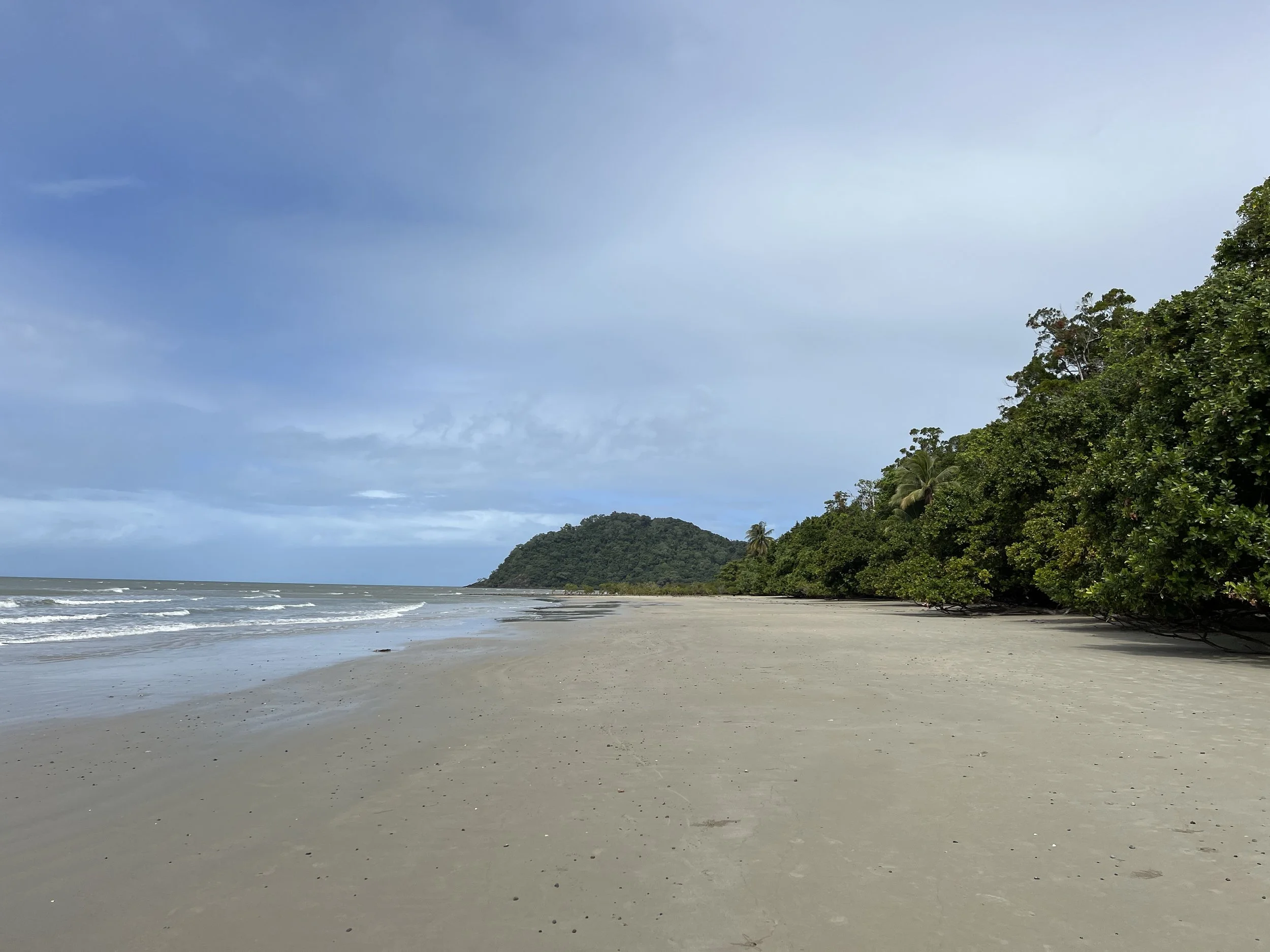
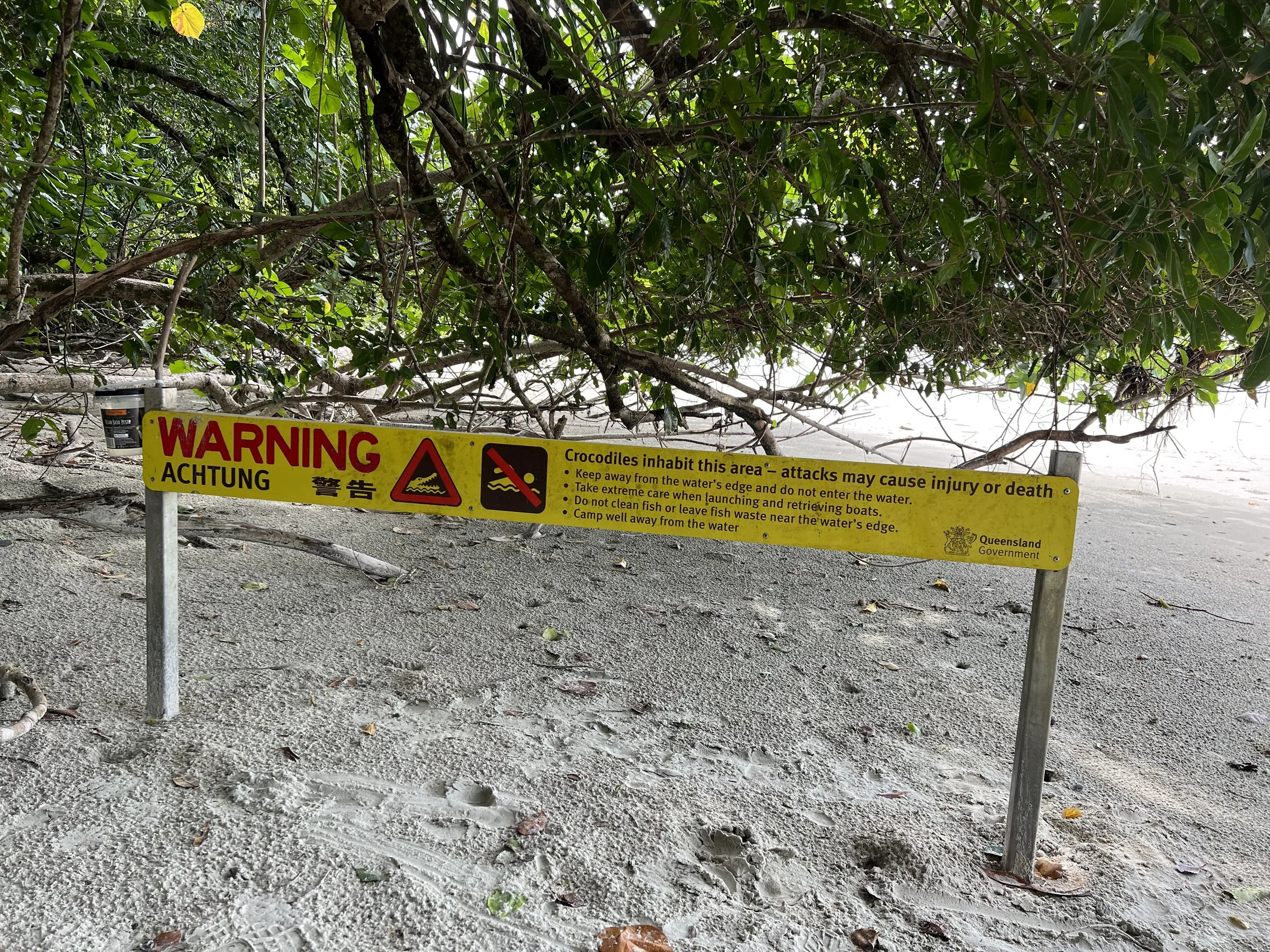
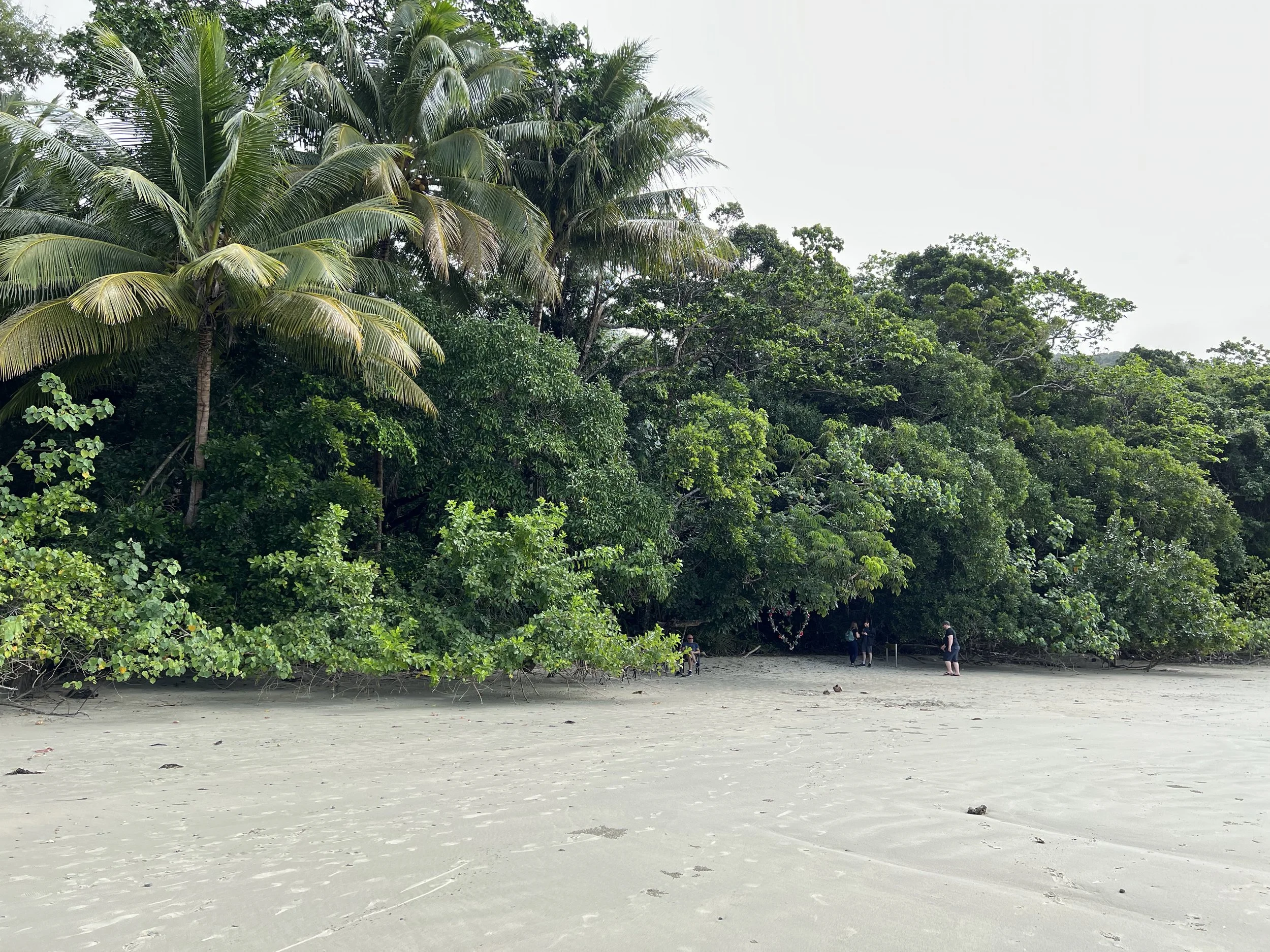
Following lunch, we had some free time to explore the nearby beach. As expected, there were clear warning signs about crocodiles in the water, so swimming was off the table. We walked along the sandy shoreline instead, admiring the striking blue water from a safe distance. It was a peaceful stroll and a nice way to burn off some of lunch before moving on.
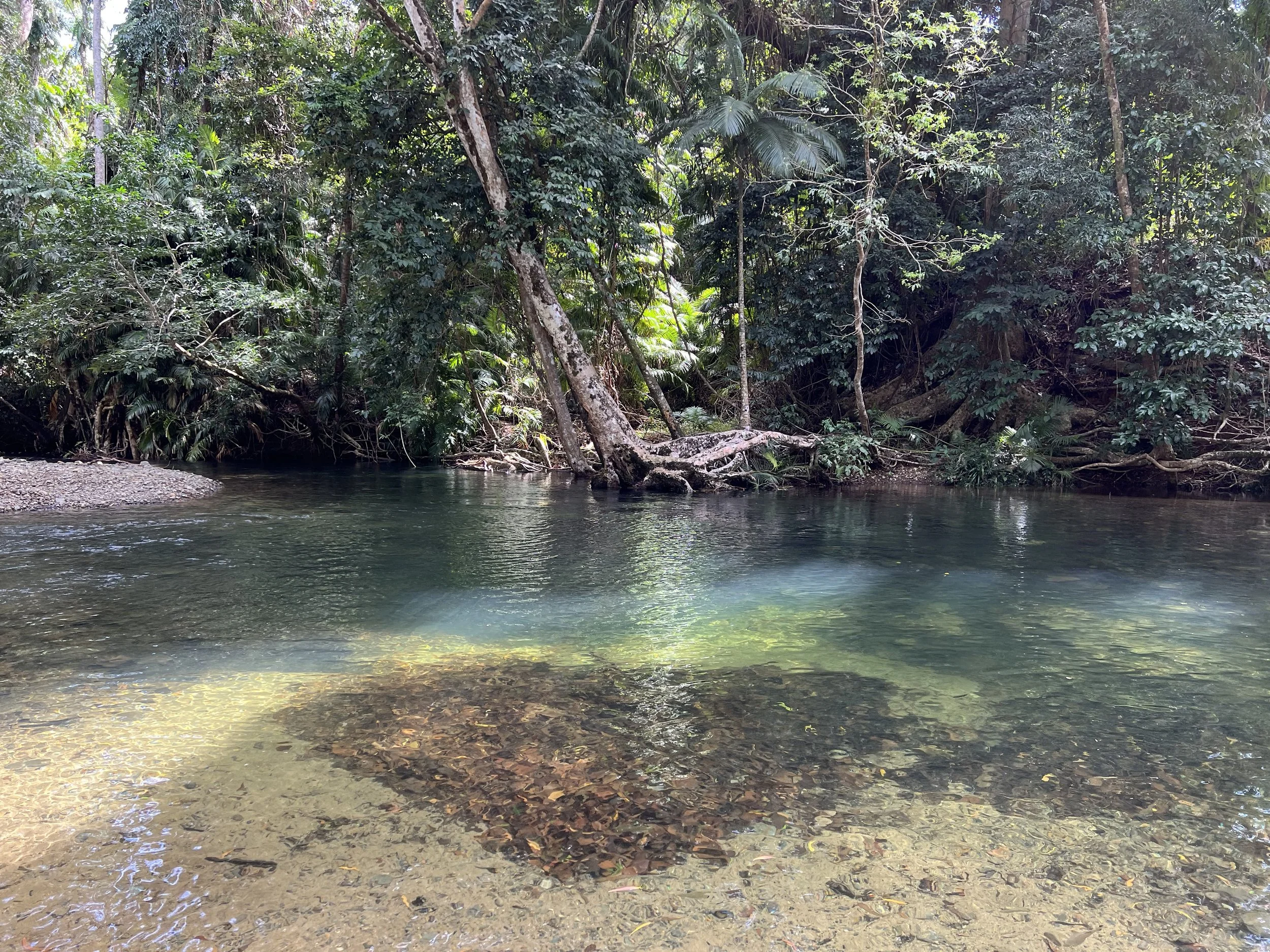
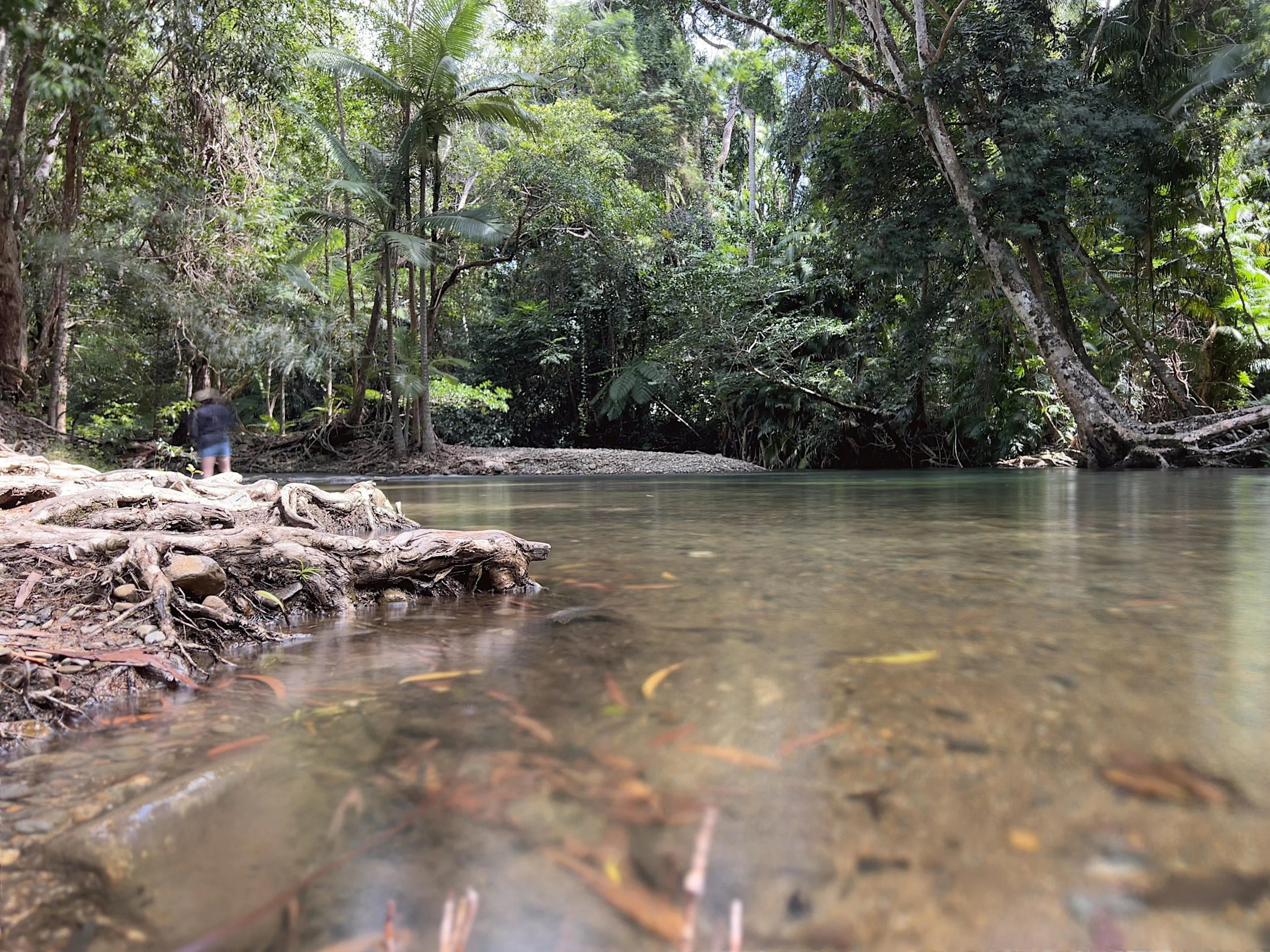
Next, we were taken to a freshwater swimming hole that the guide said was generally safe for swimming due to its upstream location—though nothing in this region is ever guaranteed. We were cautioned to be careful jumping in, especially in areas where leaves obscure the bottom. I chose to dip my feet in to cool off rather than swim, spending most of the time taking photos. While there, we watched motorbikes crossing the shallow stream, cheering them on as they tried not to stall midway.
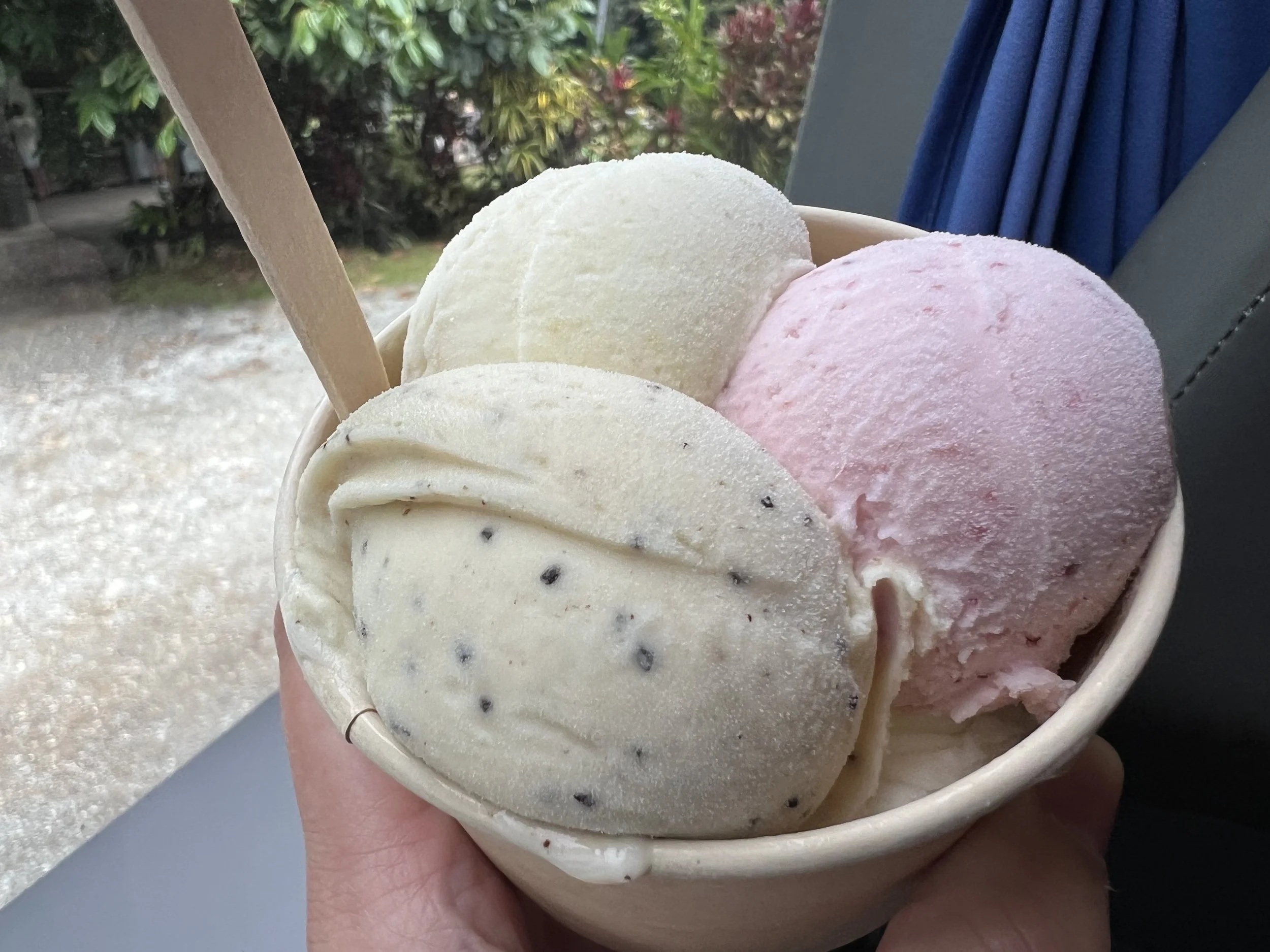
Our final stop was a local creamery, where we sampled tropical fruit ice cream made with flavours rarely found back home in Canada. I went with three scoops—jackfruit, passionfruit, and coconut. We couldn’t linger too long, as we still needed to catch the Daintree Ferry, so we took our ice cream to go and enjoyed it in the car.
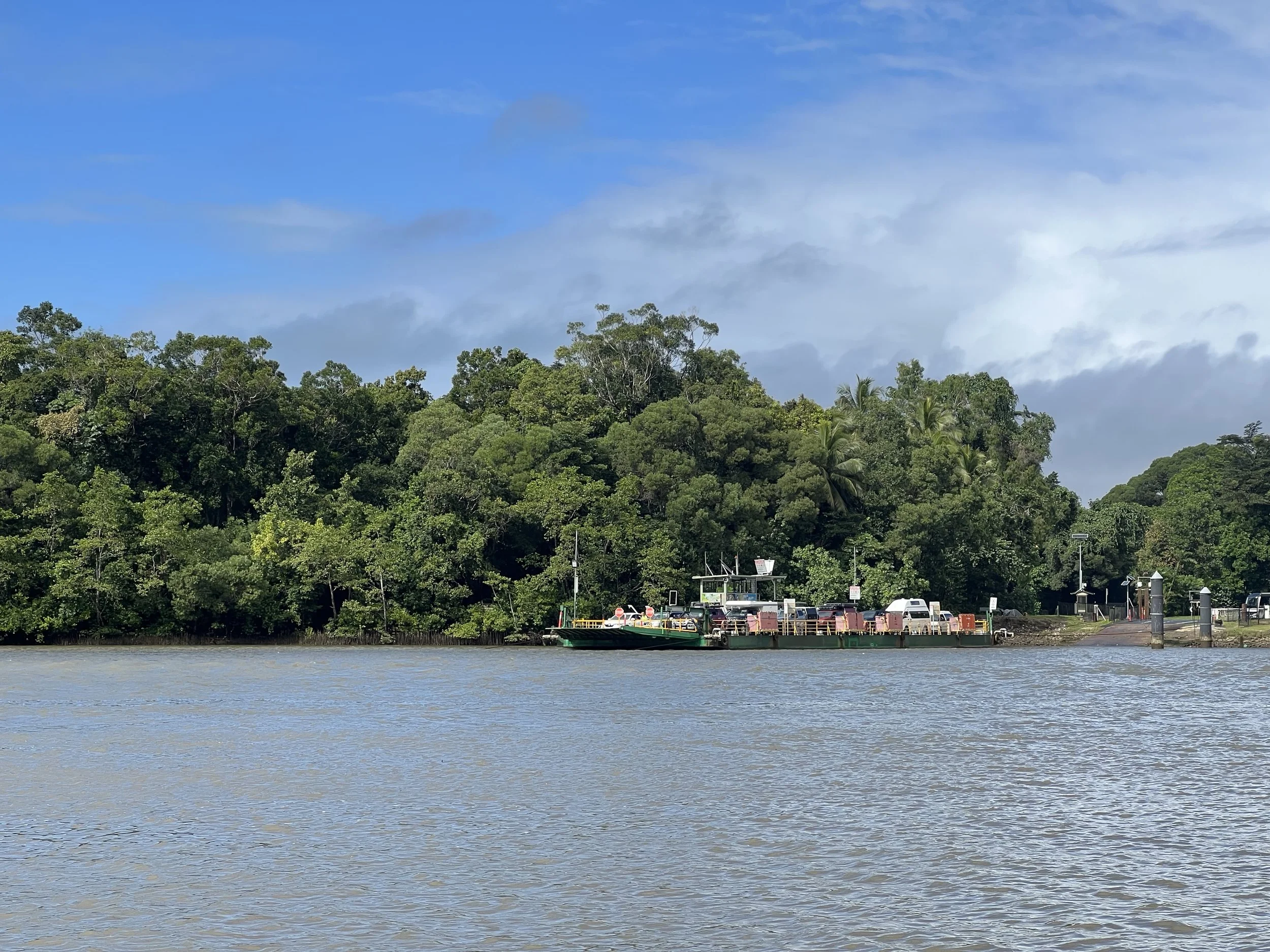
The ferry itself was simple but unique—a cable ferry that transports vehicles and a small number of foot passengers across the river in about five minutes. From the deck, you could clearly see the cables stretching across the water. After crossing, we began the long drive back to Cairns. I dozed off for part of the ride, completely exhausted but satisfied—it had been a full, adventurous, and incredibly memorable day.
Background
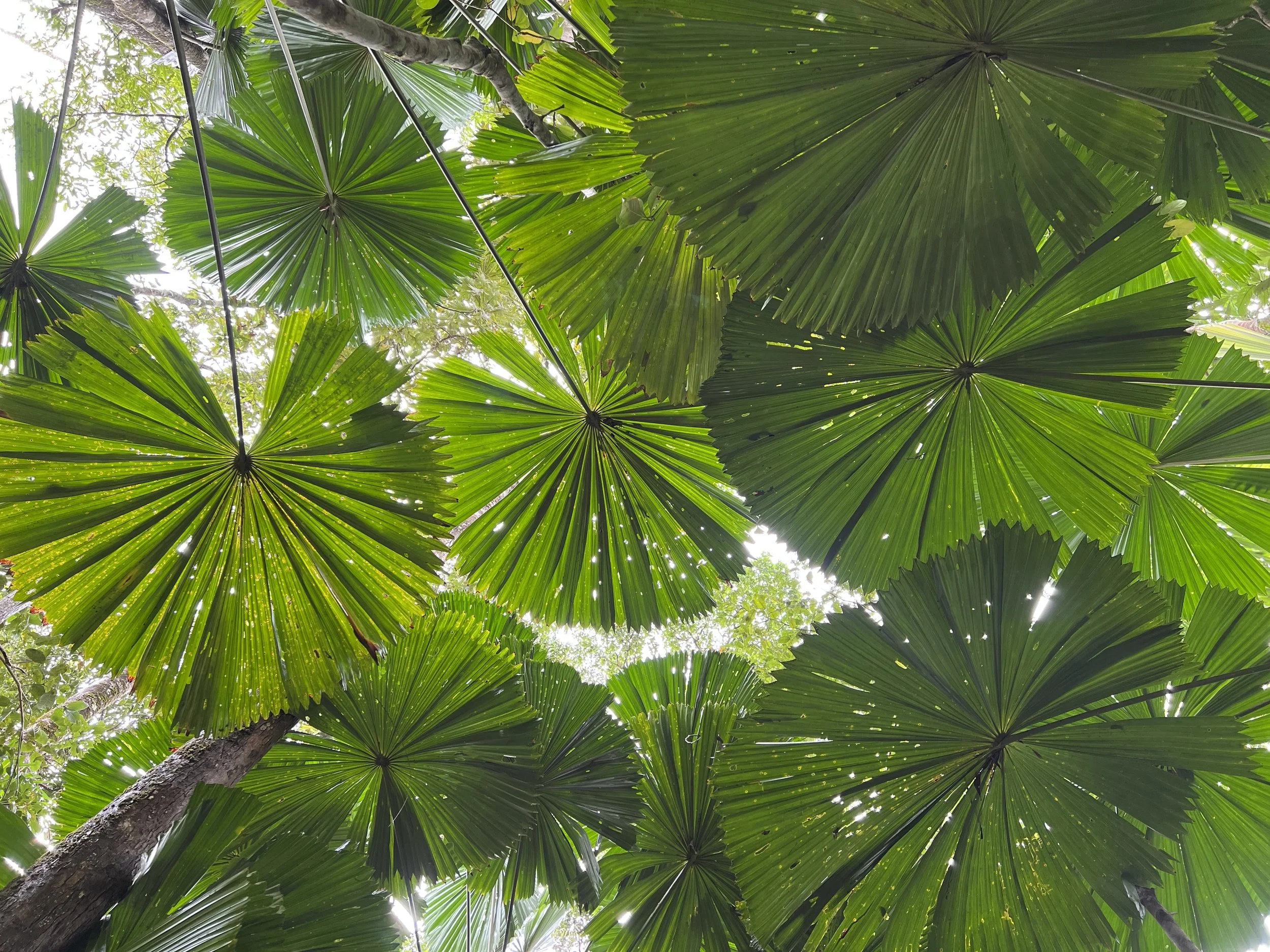
The Daintree Rainforest is one of the oldest tropical rainforests in the world, estimated to be over 180 million years old. Located in Far North Queensland, it is a UNESCO World Heritage–listed area and forms part of the Wet Tropics of Queensland. The rainforest is home to an extraordinary range of plant and animal species, many of which are found nowhere else on Earth.
Cape Tribulation is where the rainforest meets the reef, offering a rare landscape where two World Heritage–listed ecosystems—the Daintree Rainforest and the Great Barrier Reef—exist side by side. The area holds deep cultural significance for the Eastern Kuku Yalanji people, who have cared for this land for tens of thousands of years. Today, conservation efforts focus on protecting the region’s biodiversity while allowing visitors to experience its unique environments responsibly.
Getting There
The Daintree Rainforest and Cape Tribulation are located north of Cairns and are not easily accessible without a vehicle. While it is possible to drive there independently, a high-clearance or 4x4 vehicle is strongly recommended to reach many areas safely, especially during wet conditions. The journey involves river crossings, narrow roads, and limited services, which can be challenging for visitors unfamiliar with the region. Joining a guided tour, like I did, removes the stress of navigation and allows you to focus on the experience. Tours typically include hotel pickup and drop-off from Cairns, transport across the Daintree River Ferry, and access to key highlights along the route, making it one of the most convenient ways to explore this remote area.
Route Overview
Itinerary: Cairns → Daintree Rainforest River Cruise → Alexandra Range Lookout → Guided Boardwalk Daintree Rainforest Tour → Lunch → Freshwater Swim → Cape Tribulation Beach Walk → Tropical Fruit Ice Cream → Daintree Ferry → Cairns
Duration: 11 hr 30 min
Booking Info: There are several tour companies offering trips to the Daintree Rainforest and Cape Tribulation. I chose Billy Tea Safaris, as they offer a variety of tours that combine multiple major attractions in the Cairns region. It’s a convenient option if you prefer a single operator to handle logistics, meals, and transport without needing to piece everything together yourself.
Cost Breakdown
Tour: Daintree Rainforest & Cape Tribulation Tour — AU$197.31
Food: AU$8.89