Brisbane Central Business District - Queensland, Australia
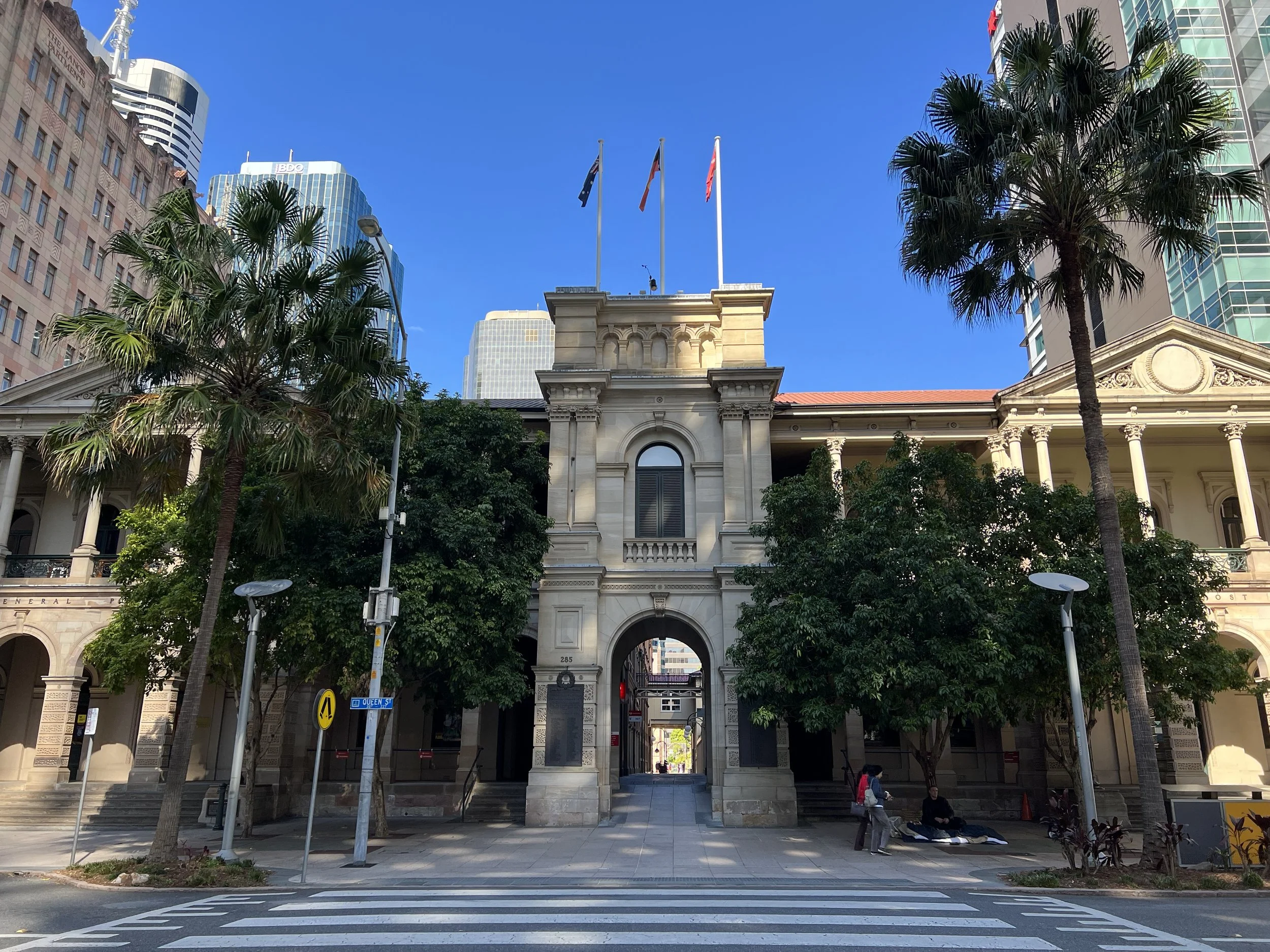
My focus for the day was Brisbane’s Central Business District, even though I had already explored parts of it during my South Brisbane and Kangaroo Point walk. There was still plenty I wanted to see, and I thought this would be the perfect opportunity to learn more about the city from a local perspective. I started the morning by walking from my hotel toward Brisbane City Hall, where I had signed up for a free guided CBD walking tour run by the city and led by a local volunteer.
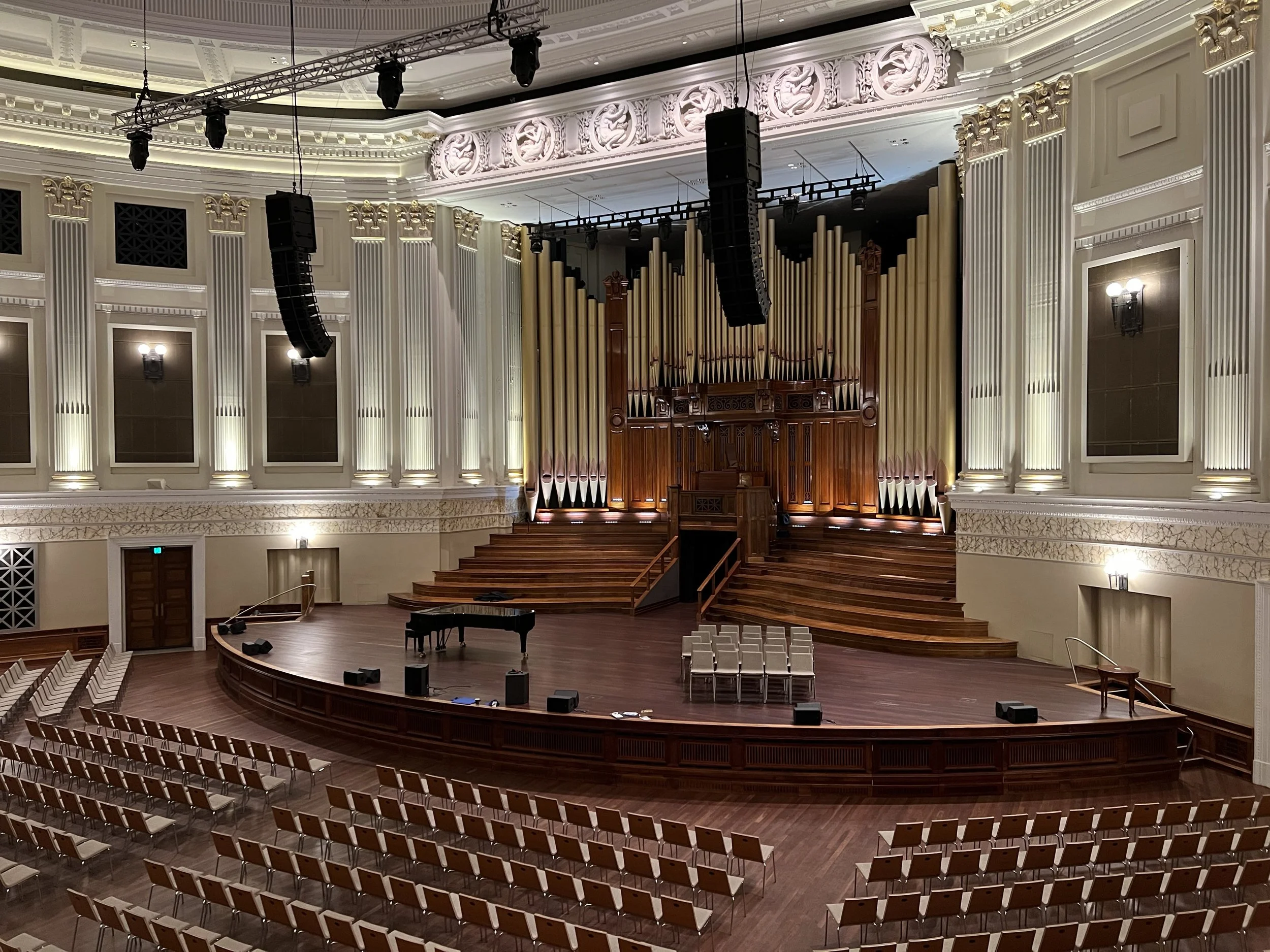
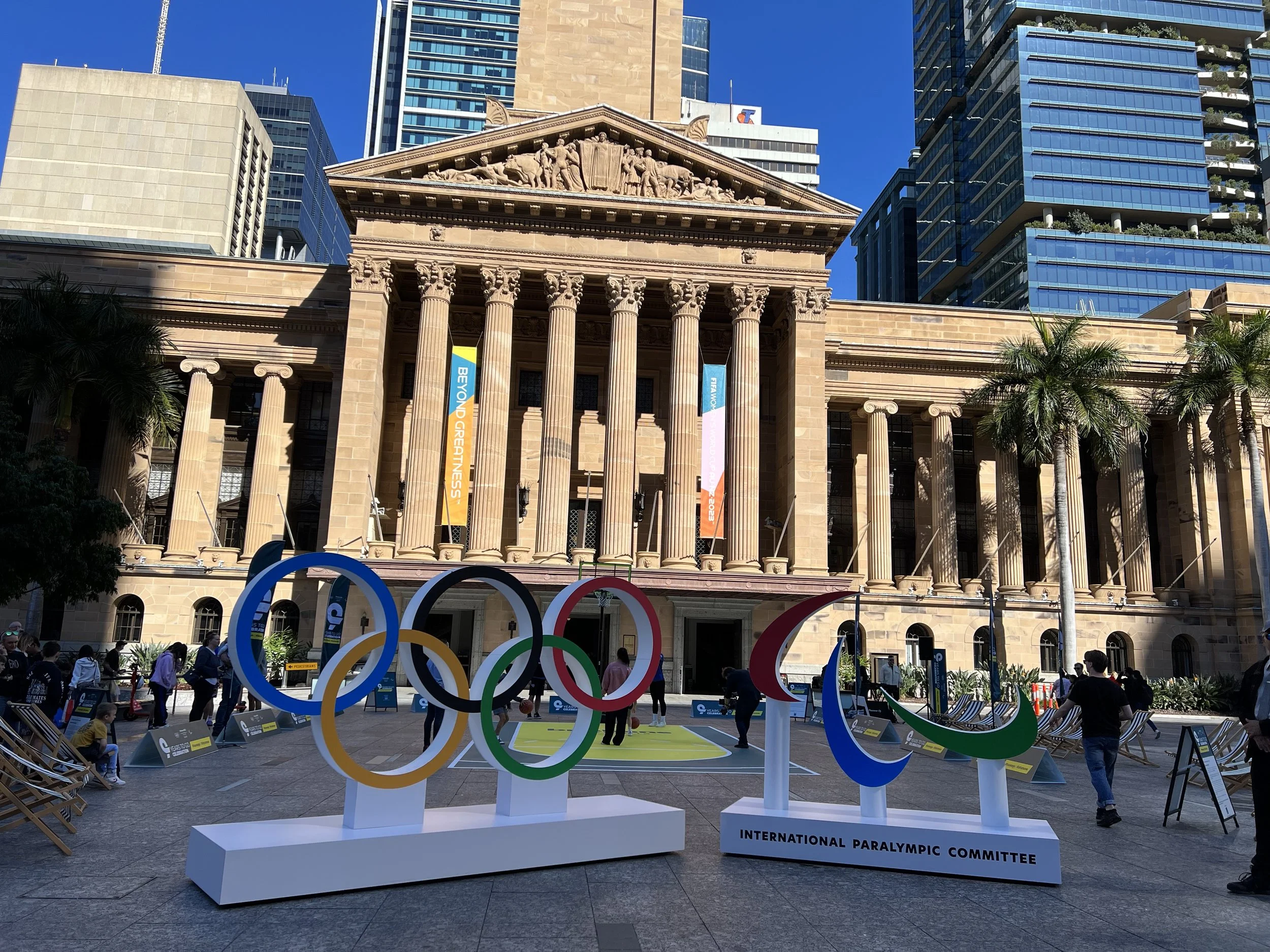
When I arrived at City Hall, I checked in with the greeter and found out there were only three other participants on the tour. The small group size made the experience feel more personal right from the start. Our guide began by introducing Brisbane City Hall itself, explaining that it officially opened in the 1930s and is the largest city hall in Australia. The building houses 573 rooms, a clock tower, a museum, and an auditorium containing one of the world’s best-preserved Willis organs. We were able to step inside the auditorium, and while we learned that visiting the clock tower required a separate booking, I made a mental note to return later on my own.
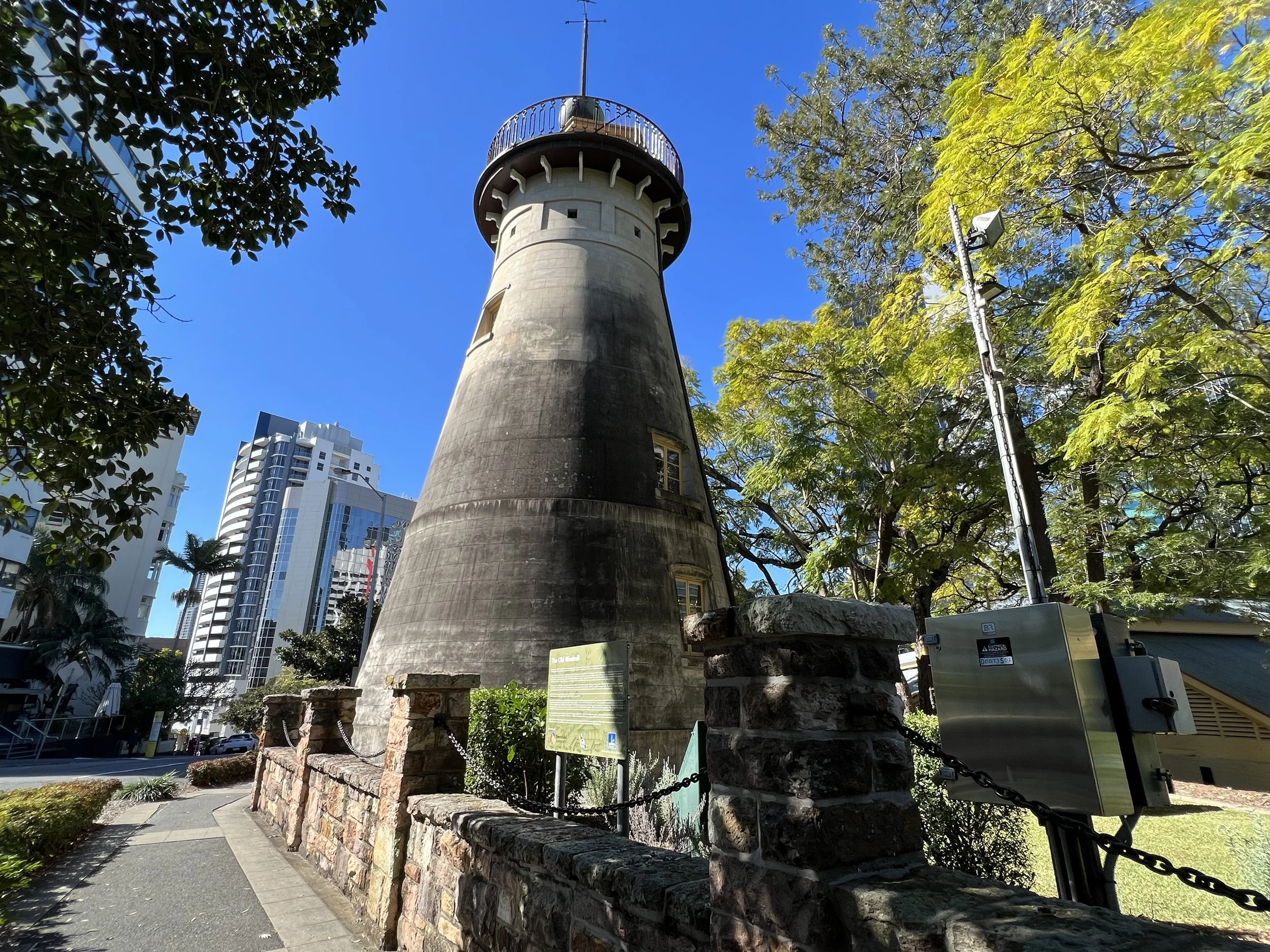
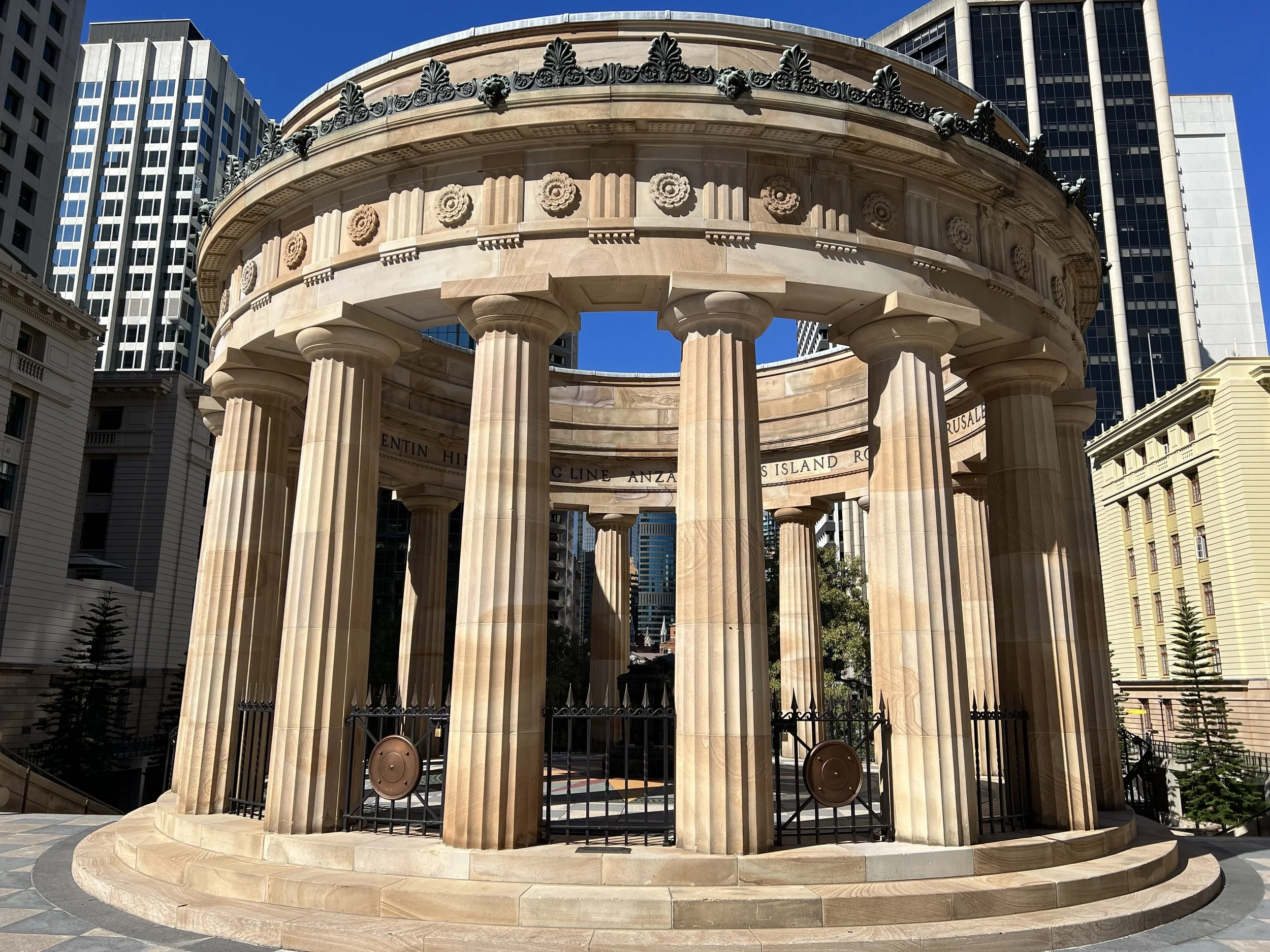
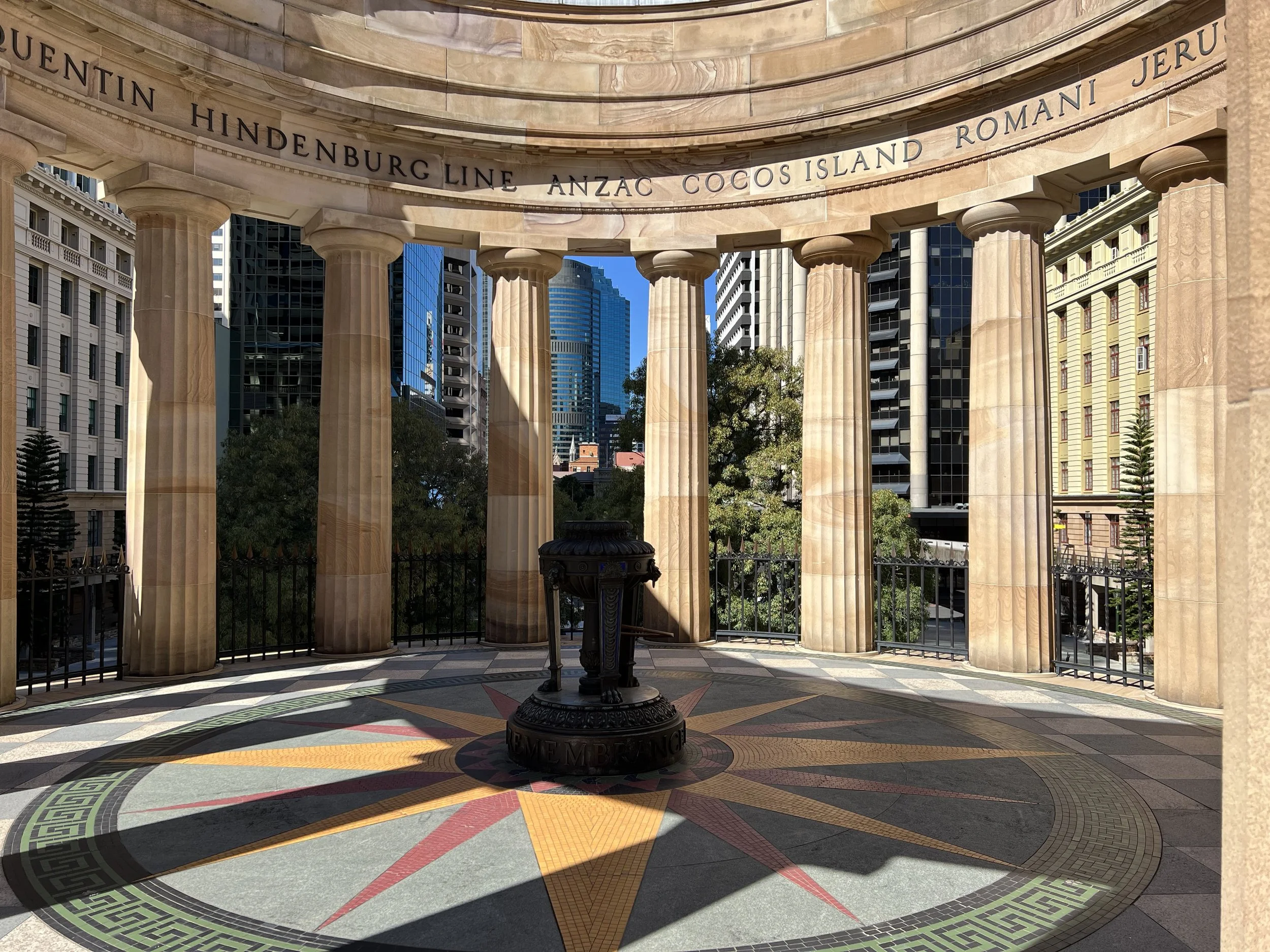
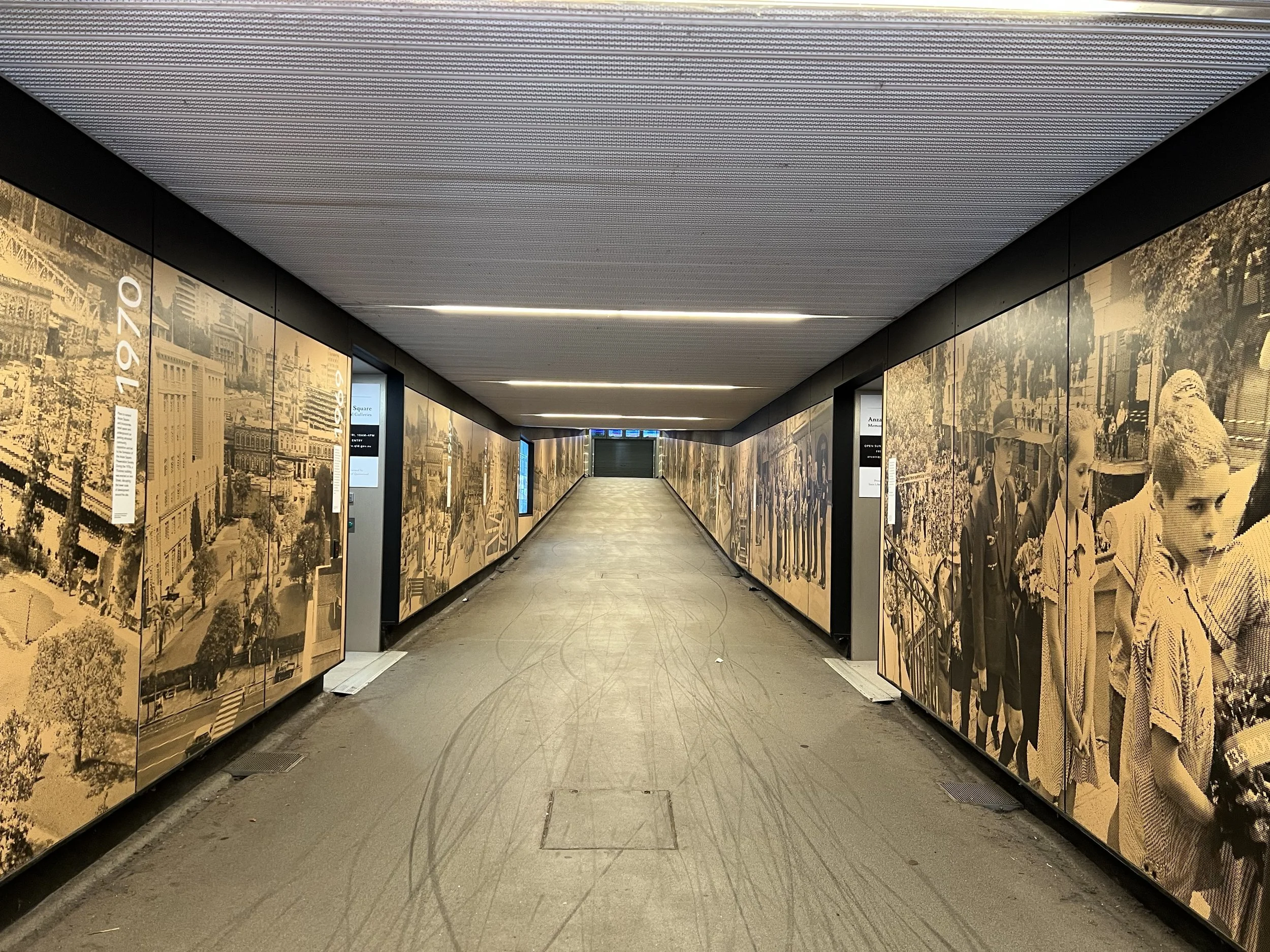
From City Hall, the guide led us toward the Old Windmill Observatory. Built in the 1820s, it is the oldest surviving convict-built structure in Queensland. Standing near modern high-rise buildings, the windmill felt almost out of place, yet incredibly striking. We learned that it was originally used to grind wheat and corn for the early settlement. From there, we walked to Anzac Square, Brisbane’s primary war memorial. The guide shared stories of Australia’s military history, and I took some quiet time to admire the solemn design of the space. We were also taken underground to the memorial galleries, which were thoughtfully curated and informative.
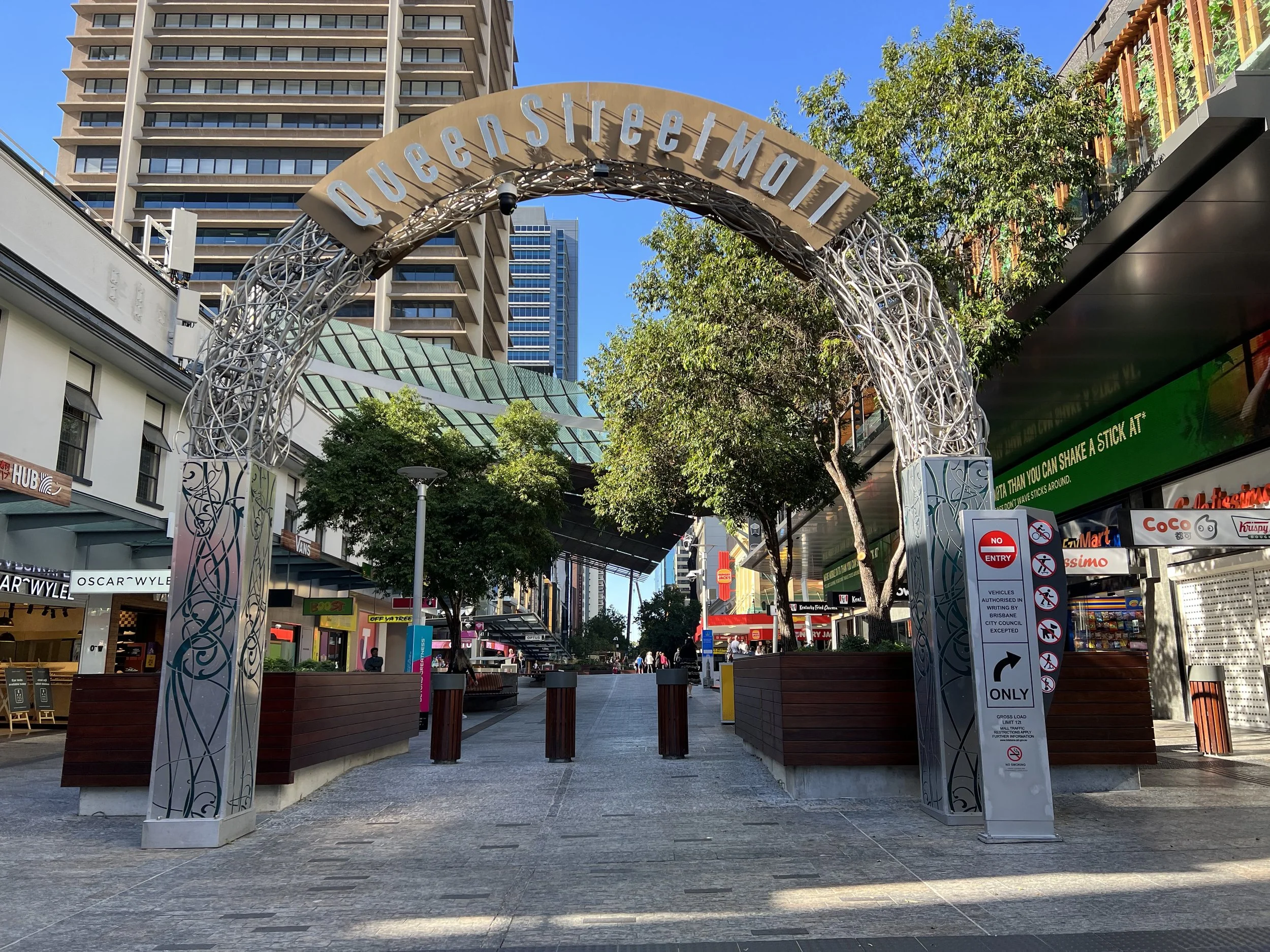
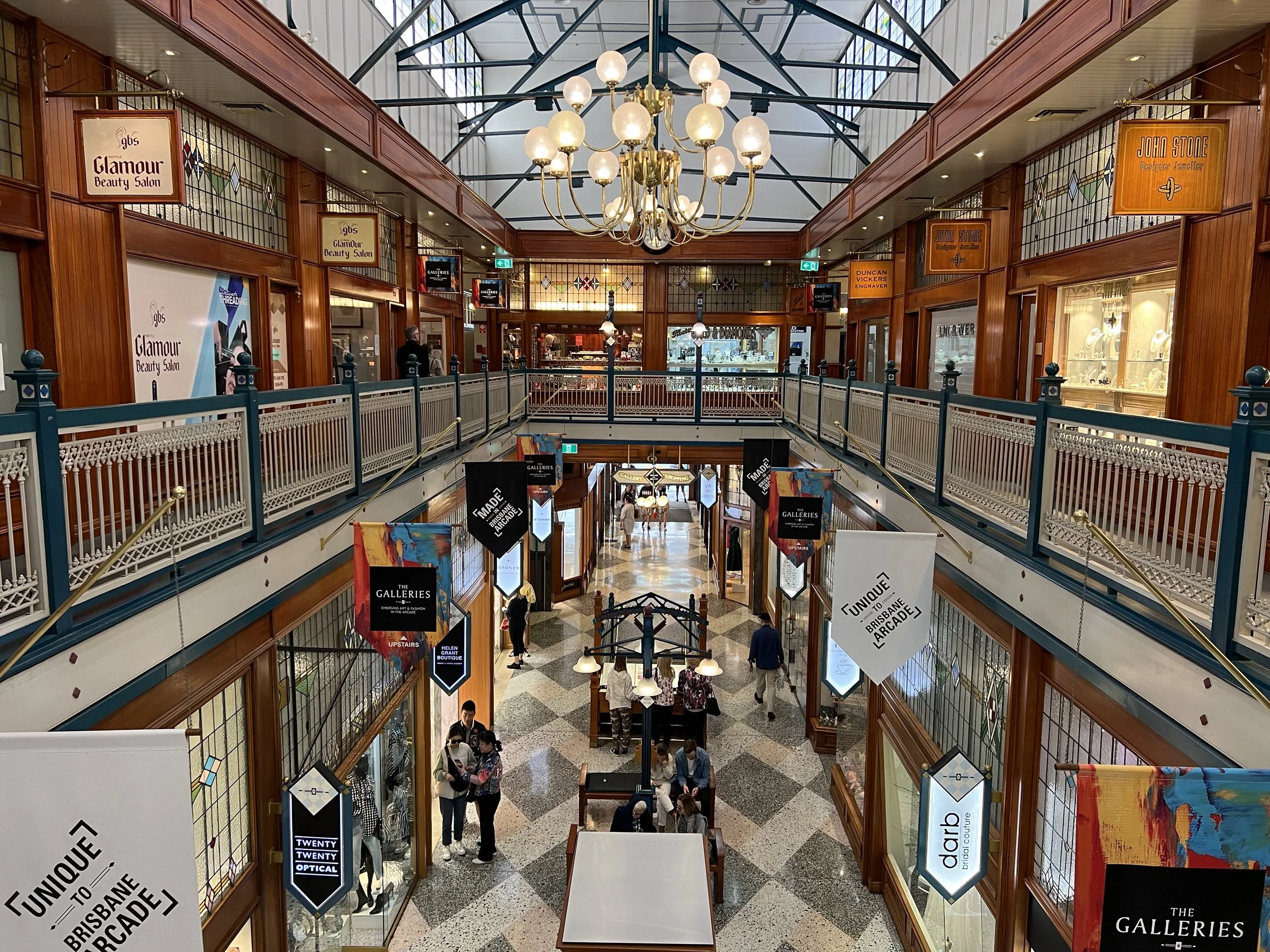
Next, we visited the Brisbane Arcade, a beautifully preserved shopping arcade that has been operating since 1924. Its symmetrical layout and vintage design made it one of the most visually pleasing stops on the tour. From there, we continued on to Queen Street Mall. I learned that the mall was officially opened by Queen Elizabeth II in 1982 and has since undergone several refurbishments. Its blend of Victorian heritage elements and modern architecture felt surprisingly cohesive.
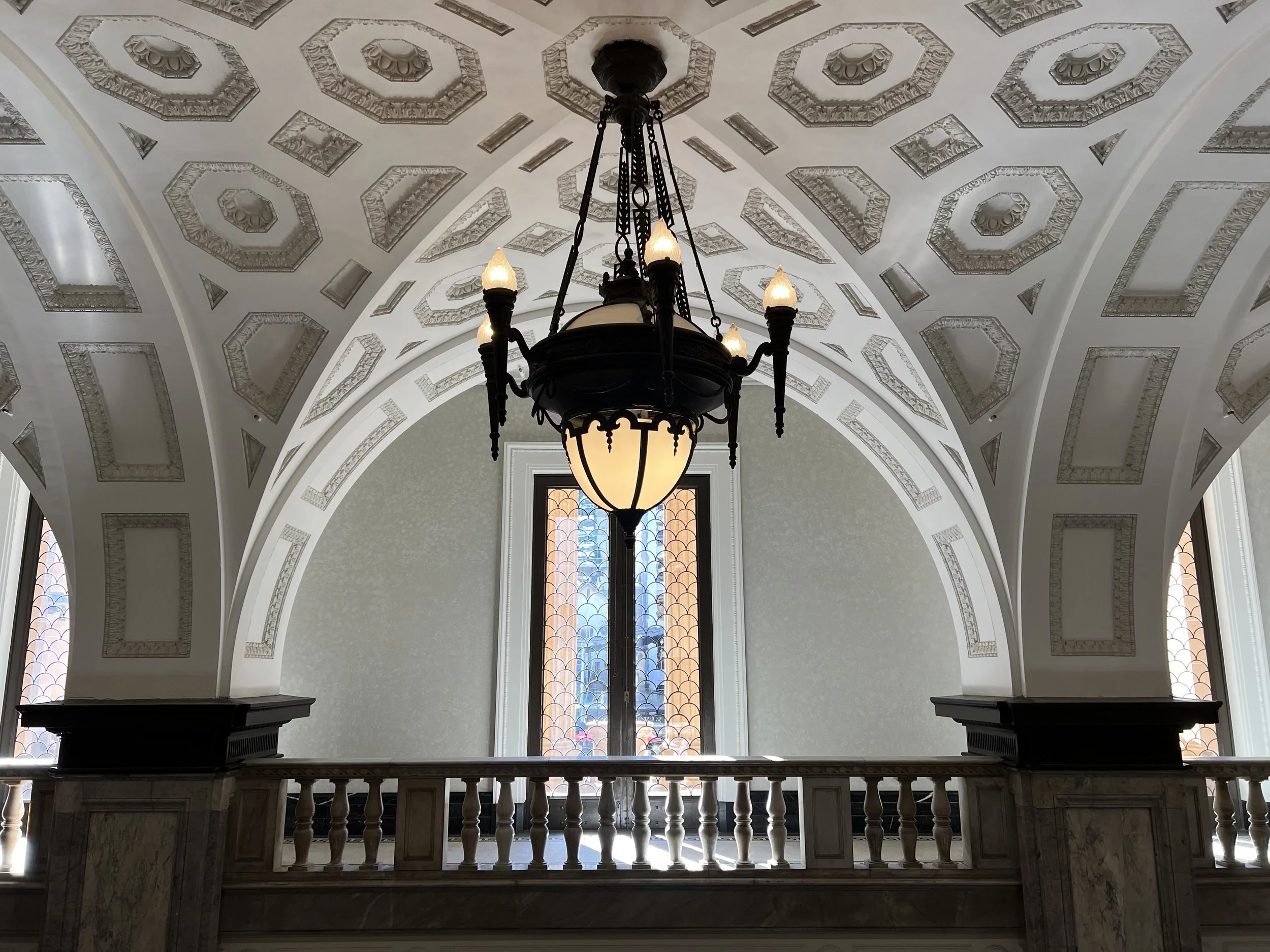
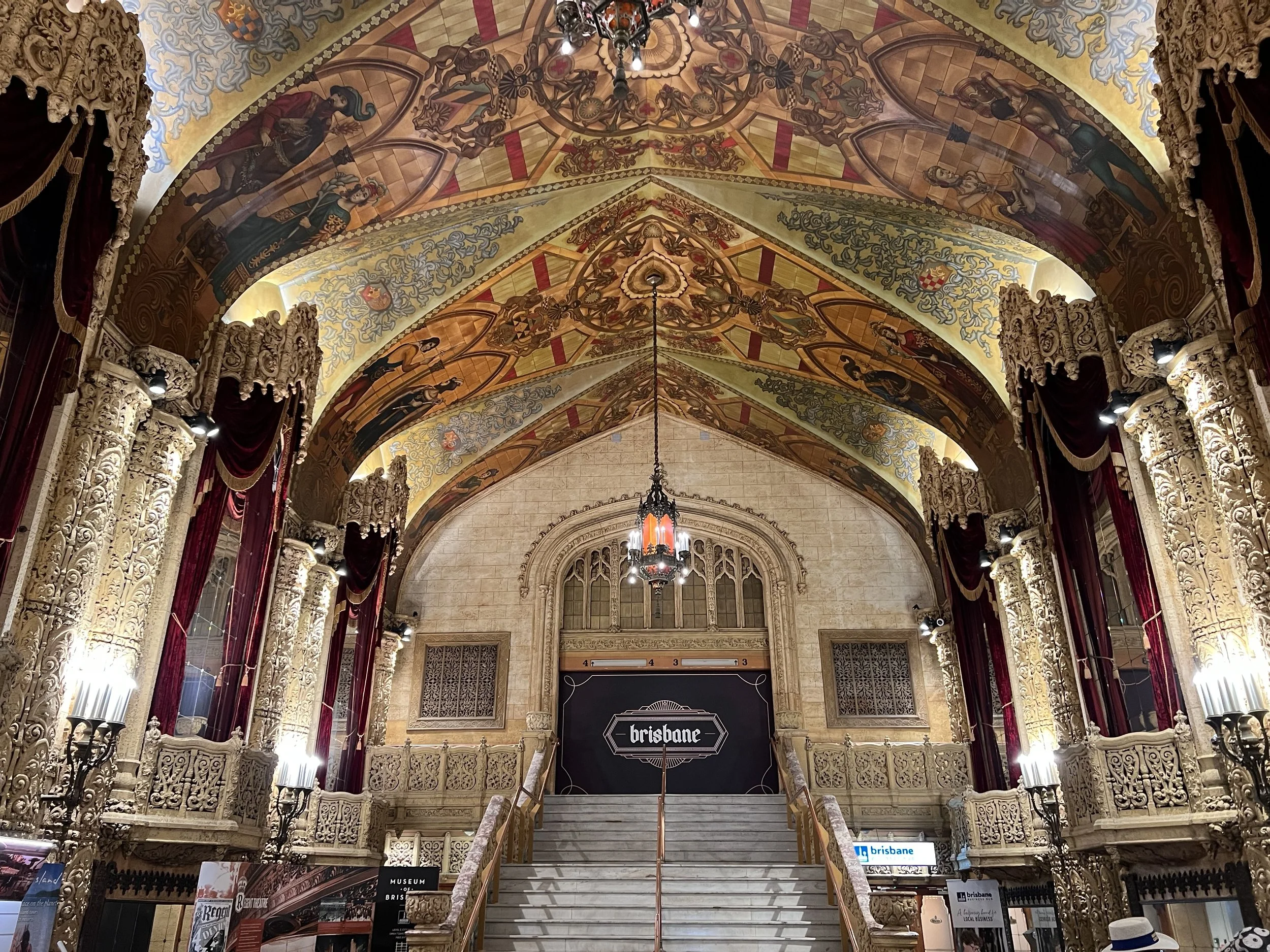
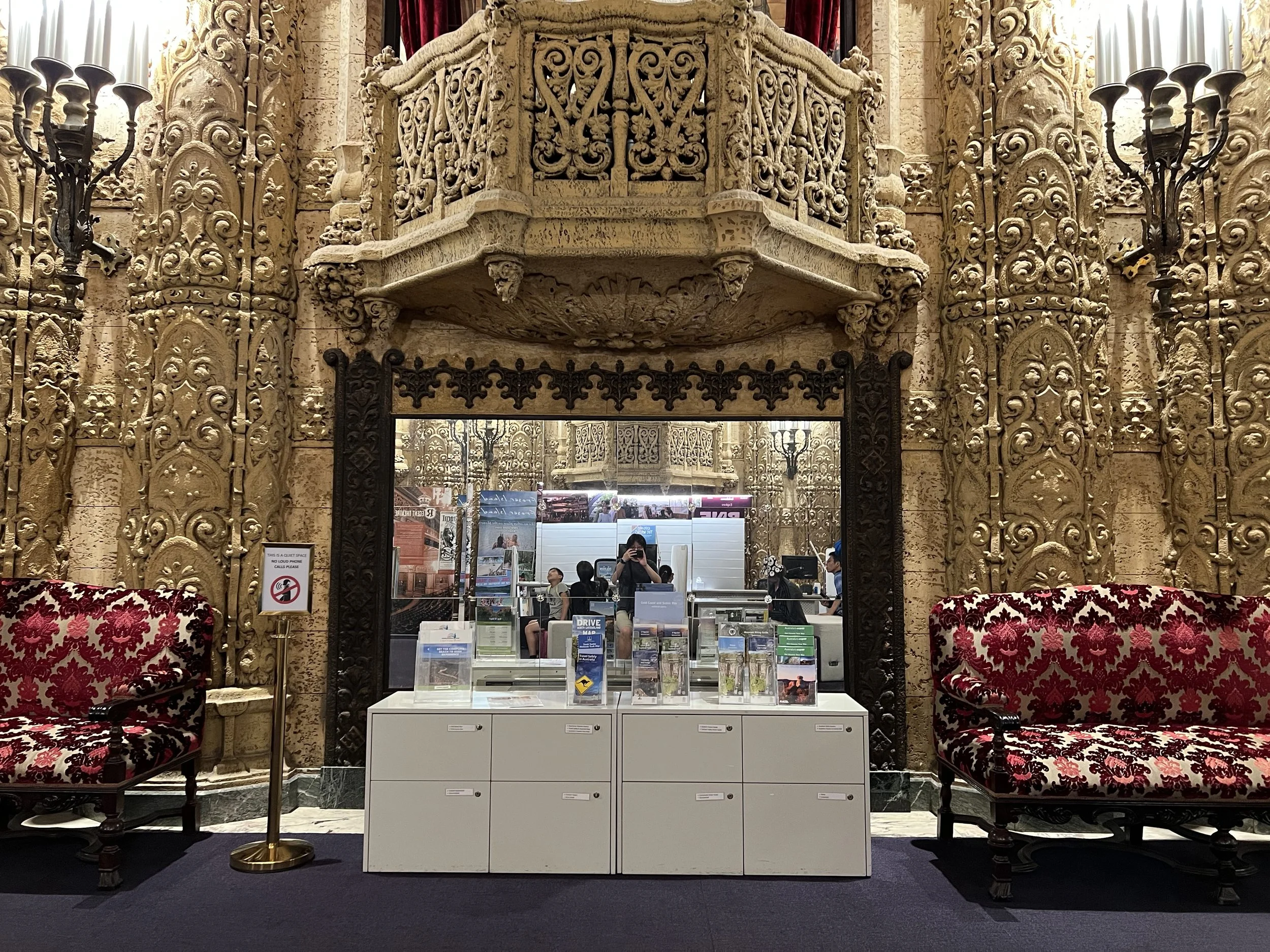
One of the highlights of the tour was a stop at the Visitor Information Centre inside the Regent Building. Our guide emphasized that this heritage building was a must-see, particularly for its interior. I wasn’t prepared for just how stunning it would be. The moment I stepped inside, I found myself craning my neck upward, trying to take in the ornate details and grand design. We took a short break here, which allowed plenty of time to fully appreciate the space.
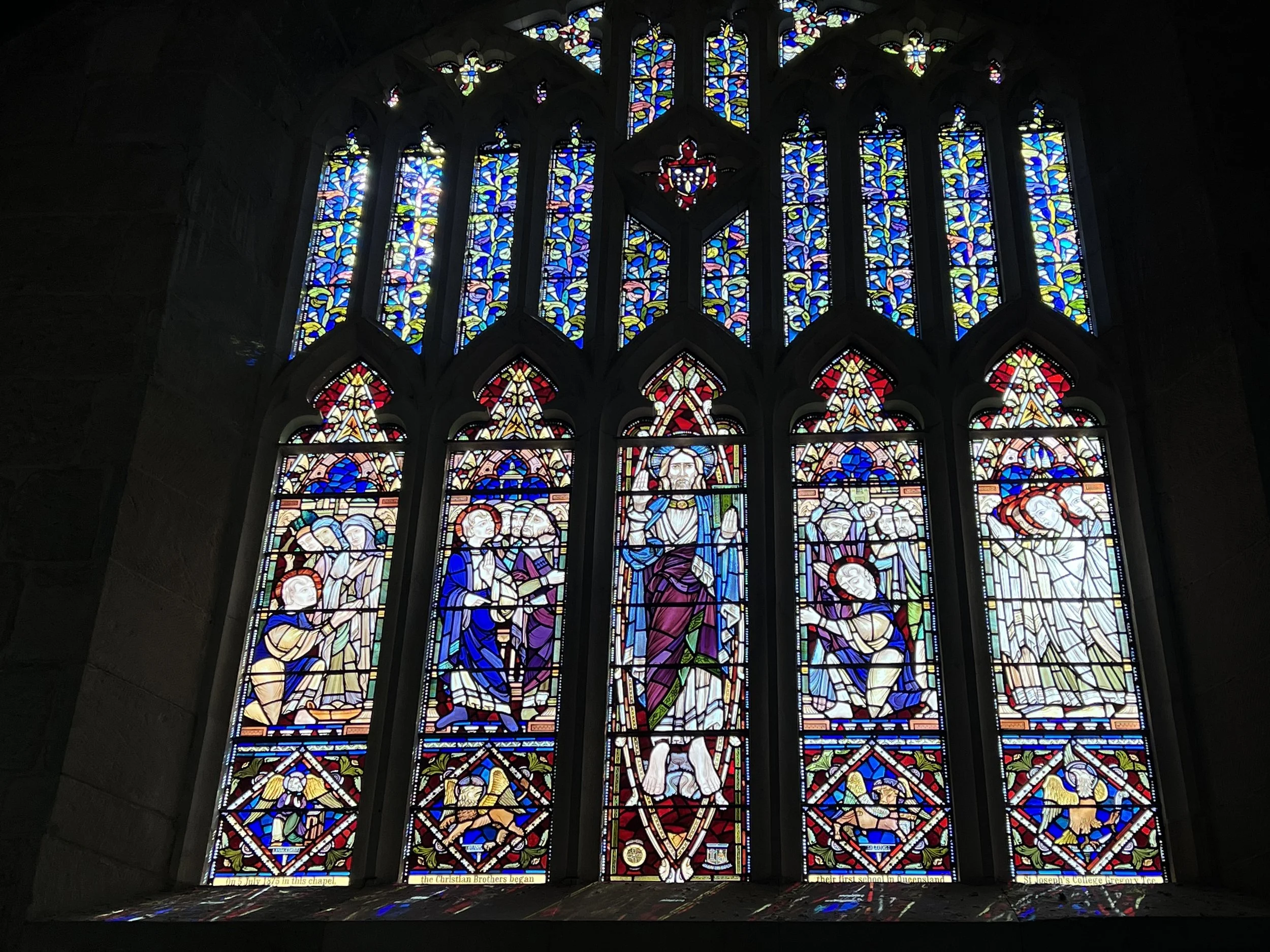
We then made our way to St. Stephen’s Cathedral. Along the walk, the guide explained the cathedral’s history and its role in serving Brisbane’s growing Catholic population. Built with Italian marble and French stained glass, the cathedral was especially impressive once inside. Thanks to the guide’s explanations beforehand, I knew exactly what details to look for, as we needed to remain quiet inside. Sunlight streamed through the stained glass, illuminating the intricate designs beautifully. To our surprise, there was a wedding taking place, and we almost wandered into it by accident.
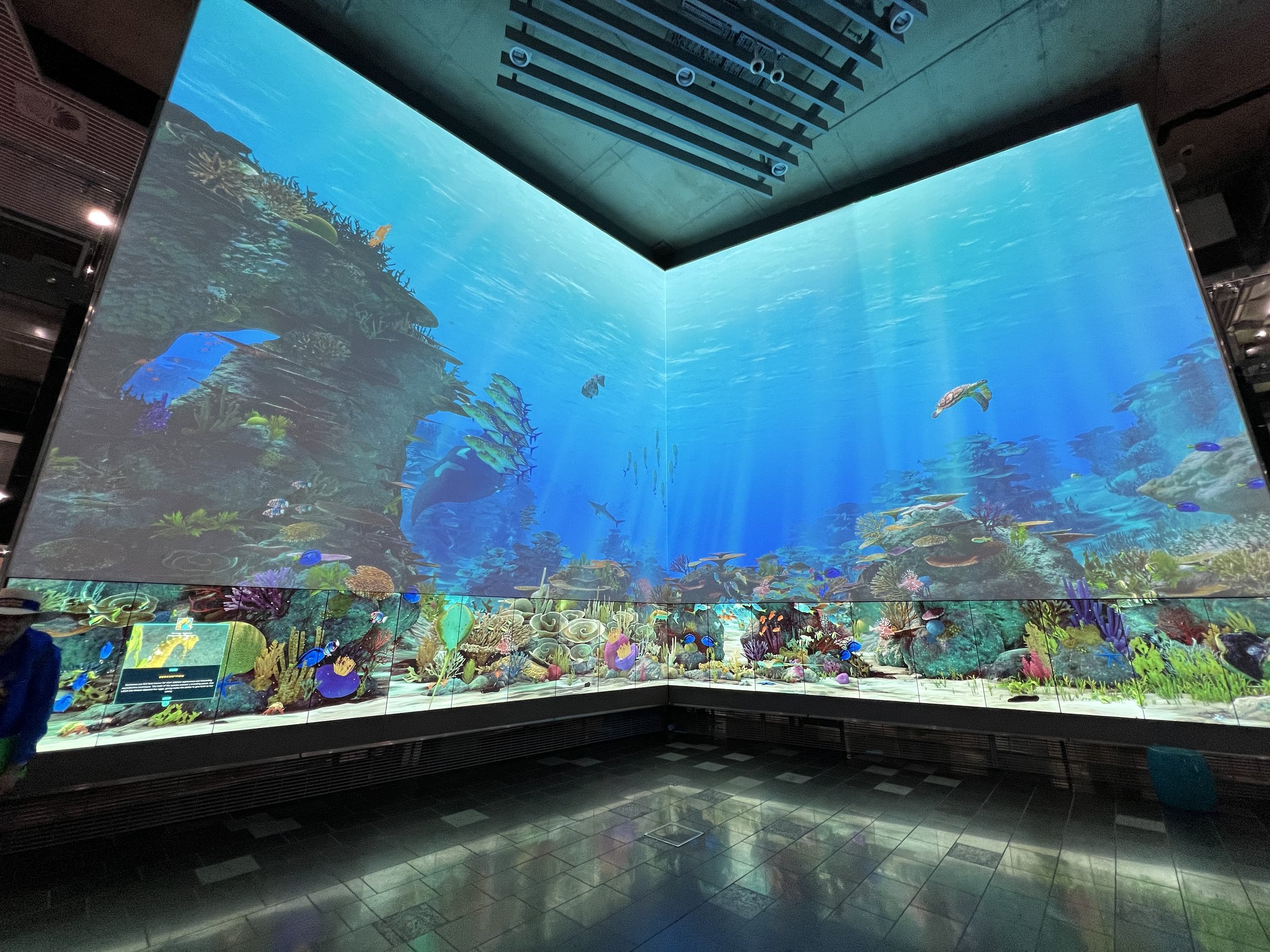
The final stop of the tour was The Cube at Queensland University of Technology. It is one of the world’s largest digital interactive learning and display spaces. When we entered, the screens were showing an underwater-themed interactive experience. Visitors could touch different marine creatures and reef systems to learn more about them. It was fascinating to see how technology was being used to promote public learning and showcase STEM in such an engaging way. I spent a bit of time interacting with the displays before the tour officially wrapped up.
After saying goodbye to the guide, I made my way back toward Queen Street Mall to grab some food. The walking tour turned out to be an incredibly informative and enjoyable way to explore the CBD, and I appreciated learning about Brisbane through the eyes of a passionate local.
History & Background
Brisbane’s CBD is the historic heart of the city, evolving from a small colonial settlement into a modern urban centre. Many of its landmarks reflect key periods in Queensland’s development, from convict-era structures like the Old Windmill to grand civic buildings such as Brisbane City Hall. The area has undergone significant transformation over the decades, balancing heritage preservation with contemporary architecture and public spaces.
Today, the CBD serves as Brisbane’s commercial, cultural, and civic hub, home to government buildings, shopping districts, religious landmarks, and educational institutions. Guided walking tours offer valuable insight into how these layers of history coexist within the city’s compact core.
Getting There
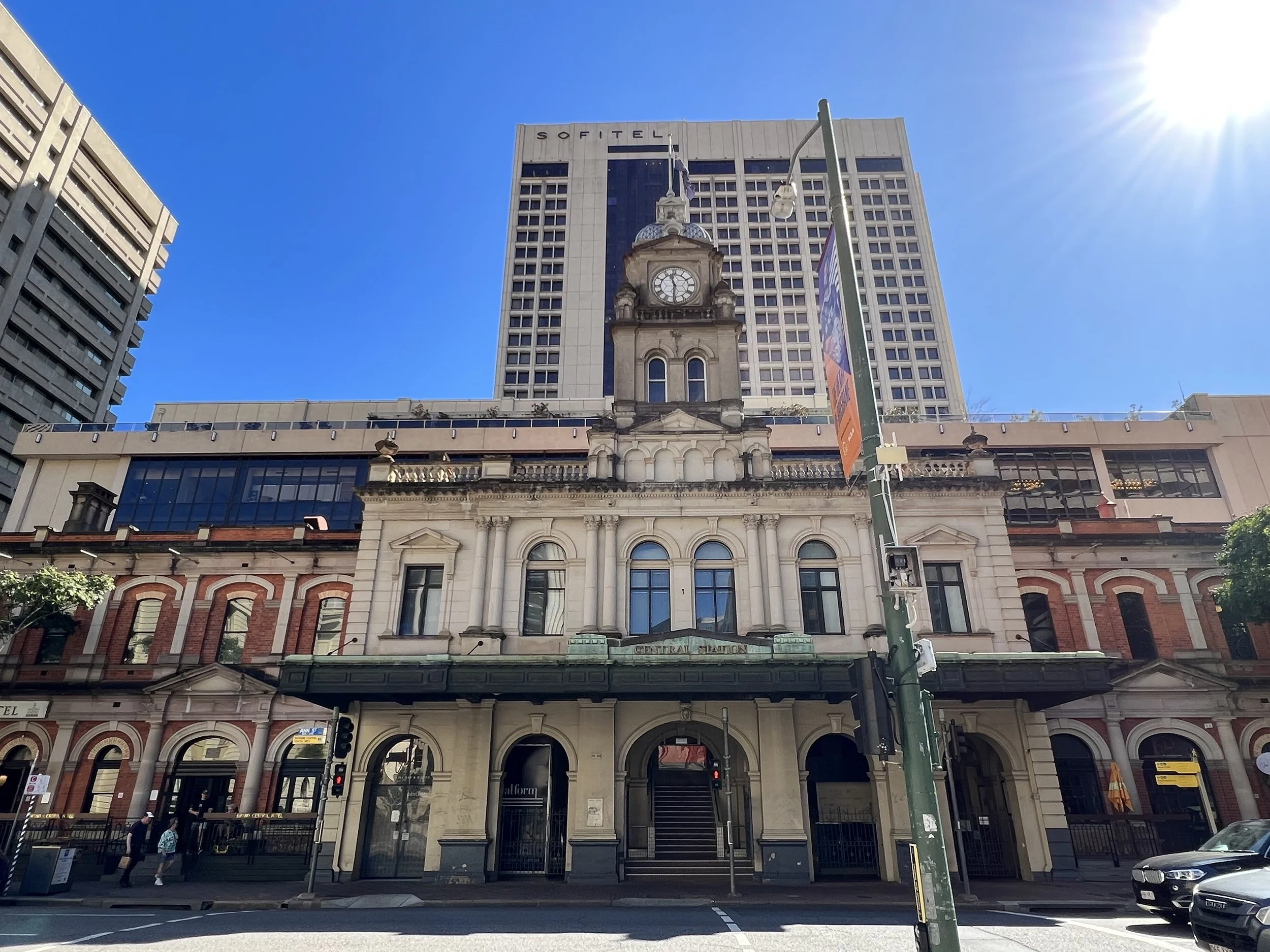
Brisbane’s CBD is easily accessible from most parts of the city. I walked directly from my hotel, as the area is compact and well connected by pedestrian-friendly streets. For visitors staying farther away, multiple train lines stop at Central and Roma Street stations, both within easy walking distance of City Hall. Bus routes and CityCat ferries also provide convenient access, making it simple to reach the CBD without needing a car.
Route Overview
Distance: 8.84 km out & back (Soho Brisbane Hotel)
Total elevation gain: 73 m
Duration: 2 hr 20 min (with breaks 3 hr 15 min)
Difficulty: Easy
Cost Breakdown
Entrance Fee: Museum of Brisbane — AU$6
Tour: Brisbane Greeters Guided Walk — AU$0
Food: AU$31.32